
15% DISCOUNT ON IN-STOCK ITEMS (until 12.12.2026)
You can use this special code CLEARANCE15
Read moreLast update: 04.11.2026. You can see all news here, Newsletter files can be downloaded here.
We have just started send shipments to USA. Ask us for more details.

You can use this special code CLEARANCE15
Read more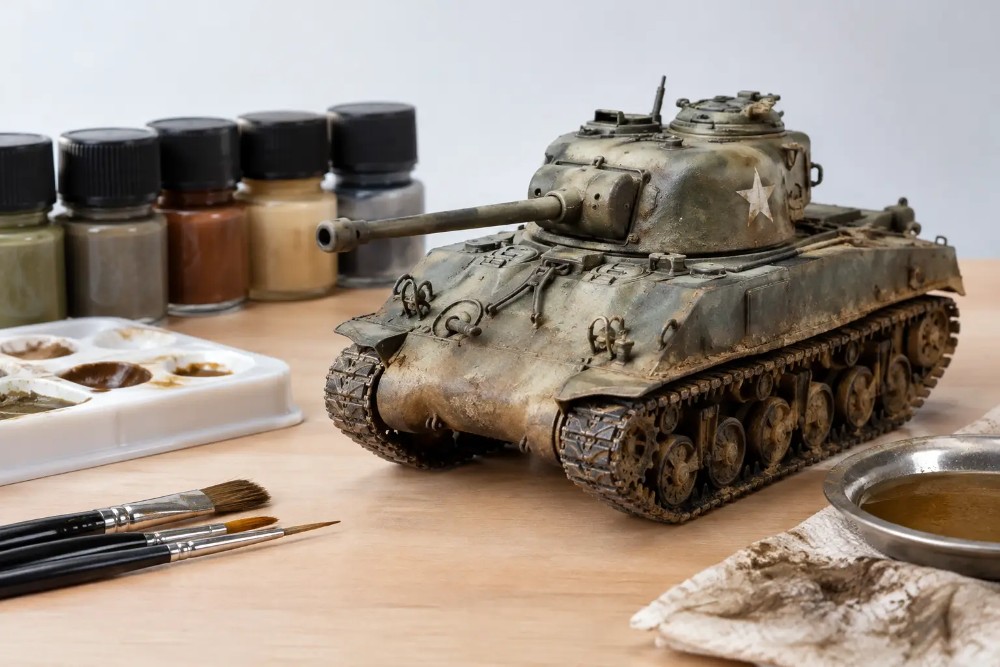
A fresh coat of paint can make a 1/48 fighter or 1/35 vehicle look clean, but weathering gives the model a service history. The right weathering product essentials let you control that history: faded paint, recessed grime, dusty running gear, exhaust
Read more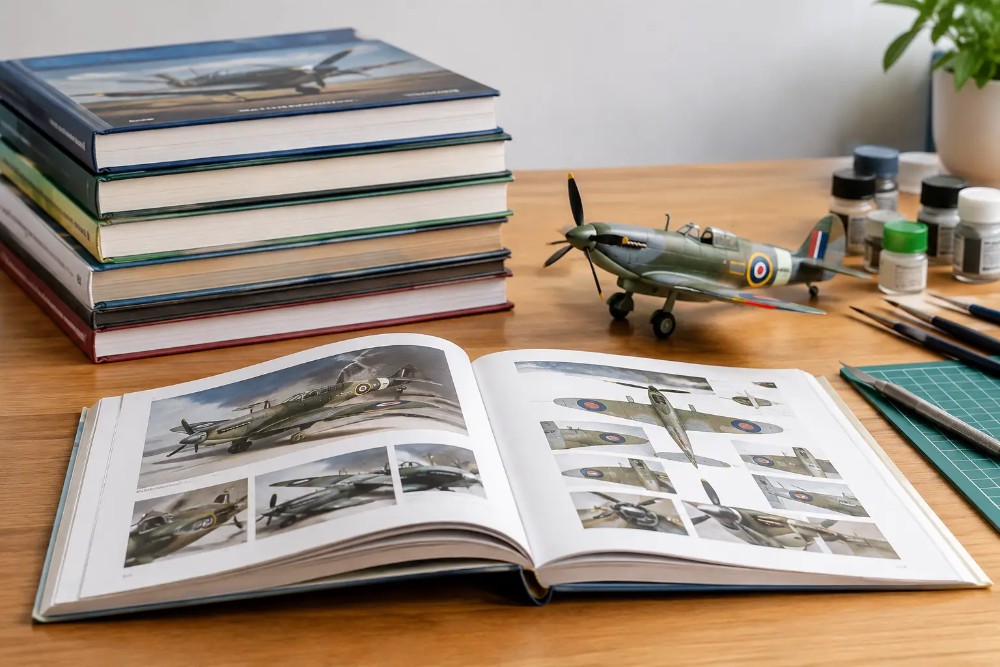
A kit can be well engineered, the paint range can be excellent, and the aftermarket selection can be extensive, yet a model will still look generic if the details are guessed. The best reference books for scale modeling replace guesswork with usable
Read more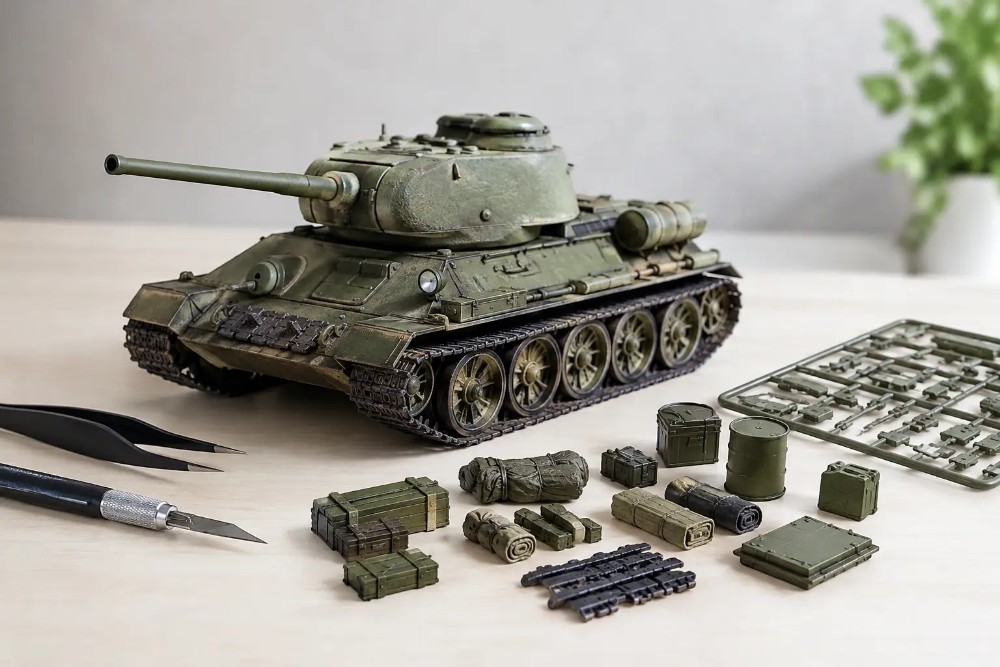
A 1/35 tank accessory review should start with a hard question: what does the kit actually need? A detailed aftermarket set can transform a visible weak point, but it can also add hours of work to an area that disappears under paint, dust, or stowage
Read more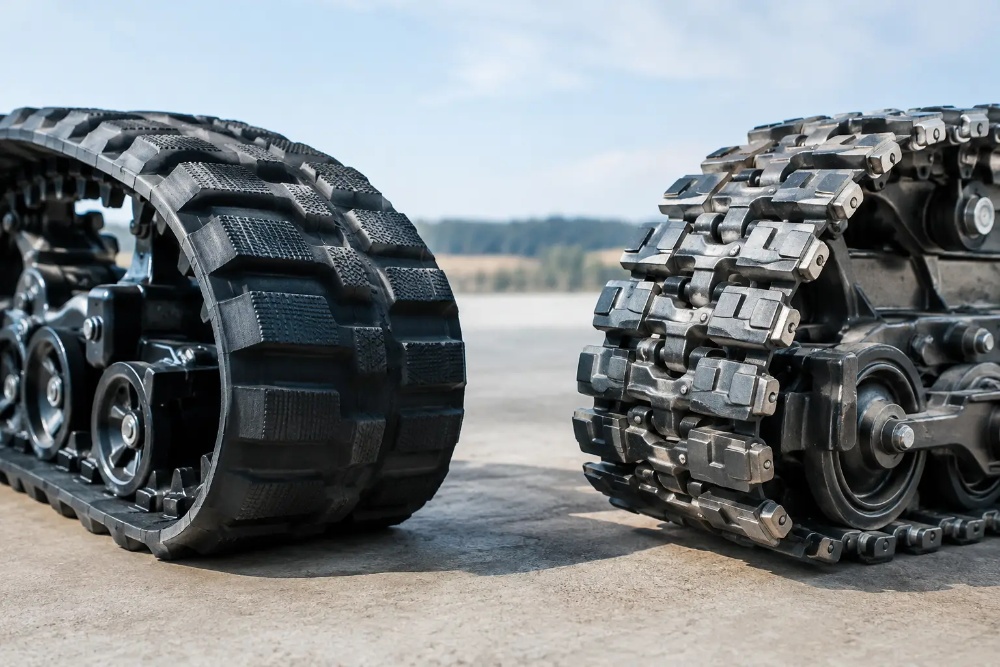
A tank model can have an excellent paint finish, accurate markings, and convincing stowage, yet still look unconvincing if the tracks sit incorrectly. The one piece versus link tracks decision affects far more than assembly time.
Read more
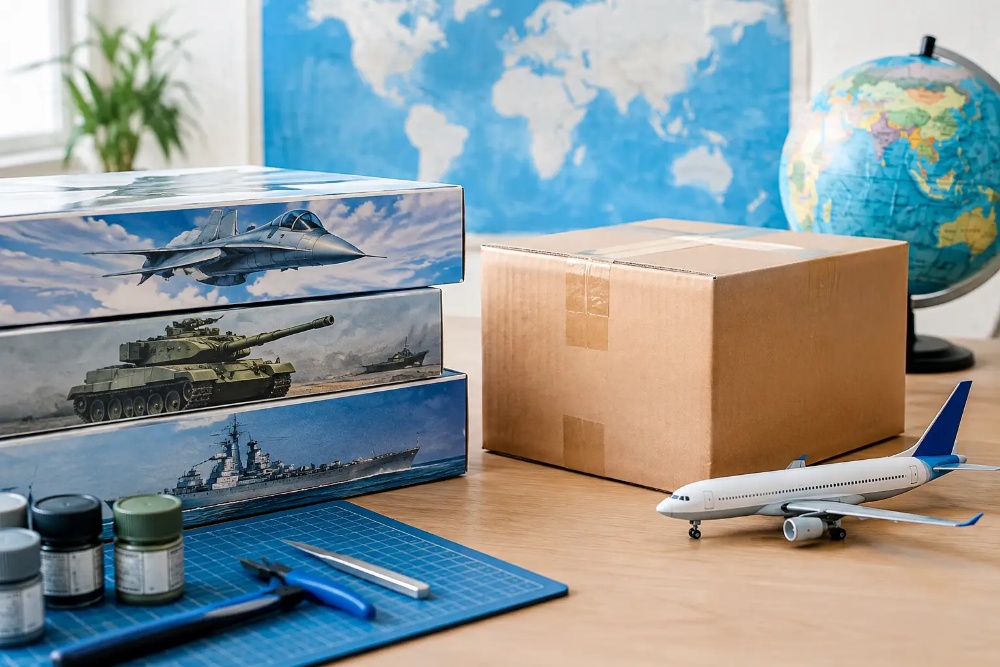
A 1/48 aircraft kit, a large 1/350 ship hull, or a small resin conversion set can all travel internationally, but they do not face the same shipping risks. International shipping for model kits is not simply a matter of choosing a destination and
Read more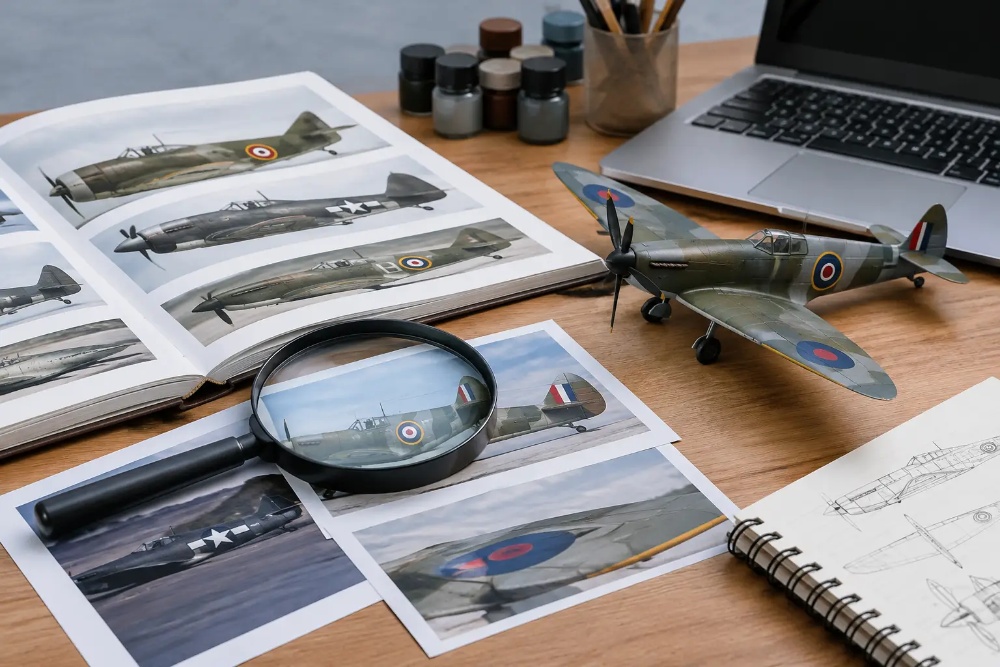
A decal sheet can make an aircraft look convincing in minutes. It can also lead a careful build off course if the markings are used without checking the aircraft, unit, and date they represent. Learning how to research aircraft markings means
Read more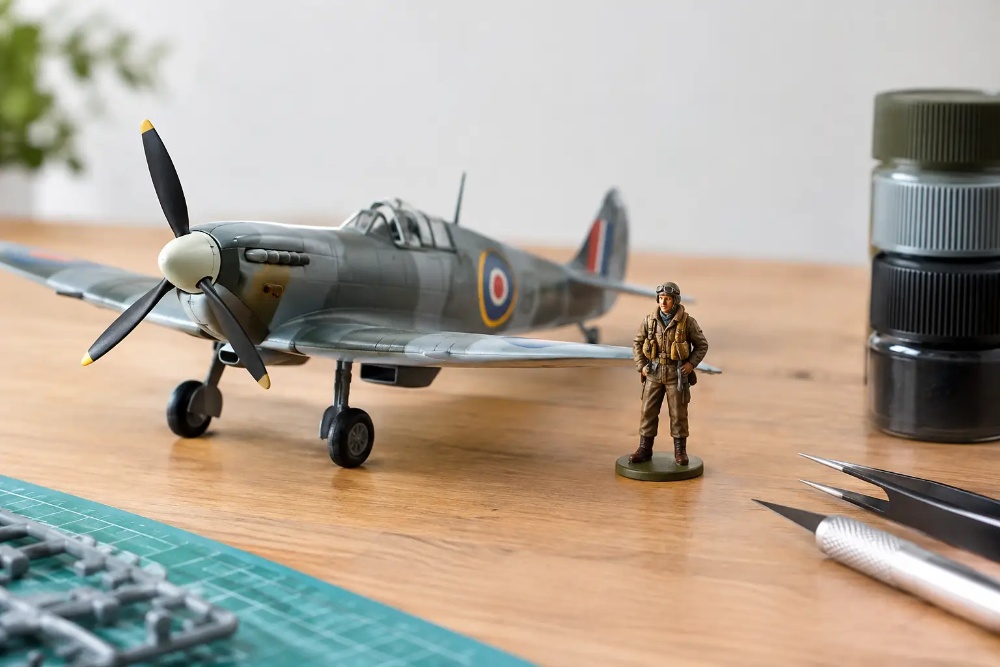
A 1/72 fighter can fit comfortably in a display case while still leaving room for a carefully painted cockpit, underwing stores, and markings specific to one aircraft. That balance is why 1/72 scale explained properly matters to serious builders:
Read more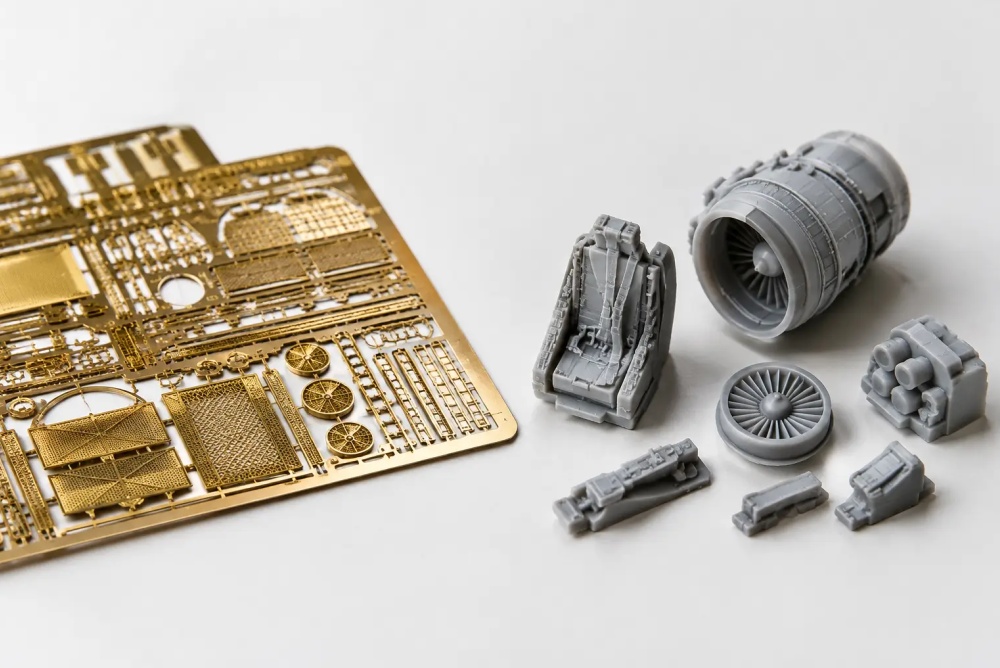
A 1/48 cockpit can look busy with a few carefully placed levers, belts, and instrument faces, yet still look wrong if the seat has the kit’s thick, simplified shape. That is the practical question behind photoetch parts vs resin details
Read more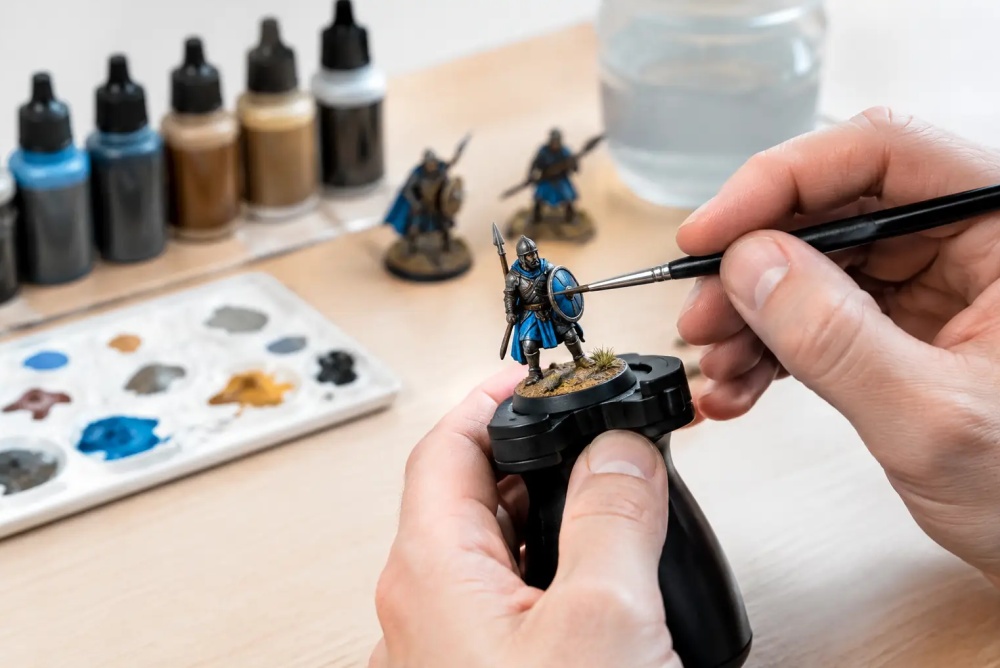
A well-finished 1/35 tank can still look unfinished if its commander has a glossy face, heavy black panel lines, and a base that does not match the vehicle. Painting scale figures is a separate discipline from painting vehicles or aircraft
Read more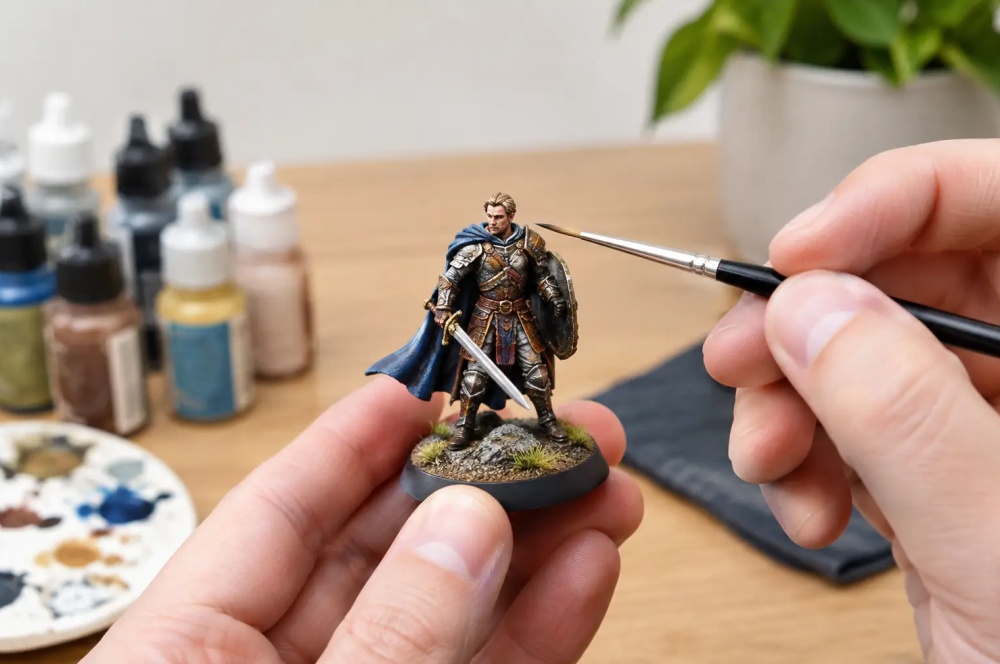
A well-painted 1/35 crewman can make an armor model feel occupied, while a poorly finished pilot can distract from an otherwise excellent aircraft build. This scale figure painting guide focuses on the decisions that matter most:
Read more
A new-tool 1/48 aircraft, a limited-run armor subject, or a long-awaited decal sheet can disappear from the market faster than a routine reissue. Choosing between preorder or in stock kits is not simply a question of patience.
Read more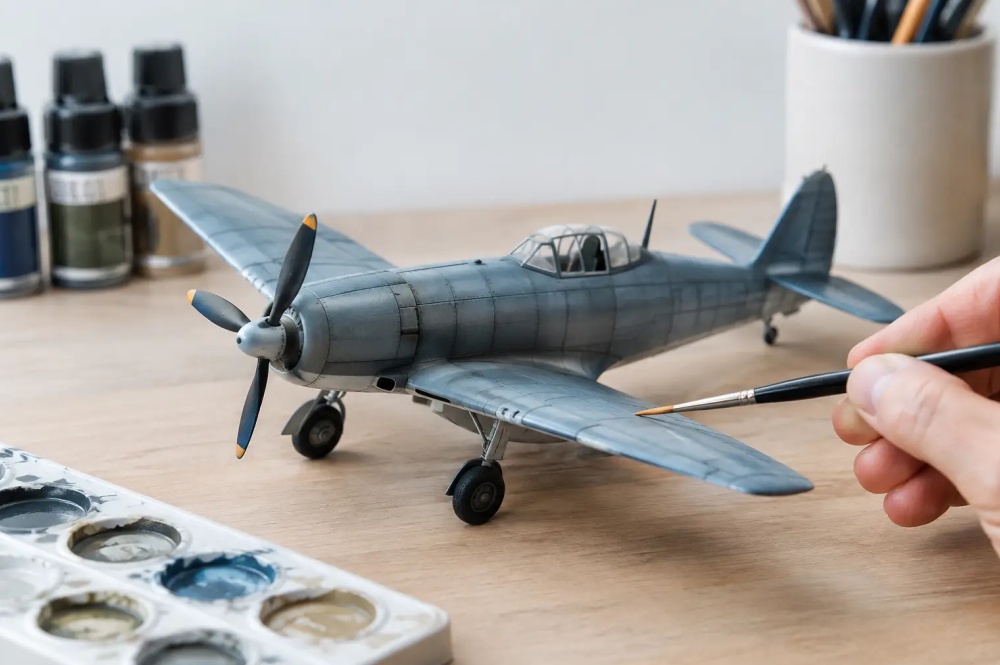
A finish can look dry under the bench lamp and still fail the moment tape, decal solution, or an enamel wash touches it. That is the practical answer behind the question, when should model paint cure: not simply when it no longer looks wet, but when
Read more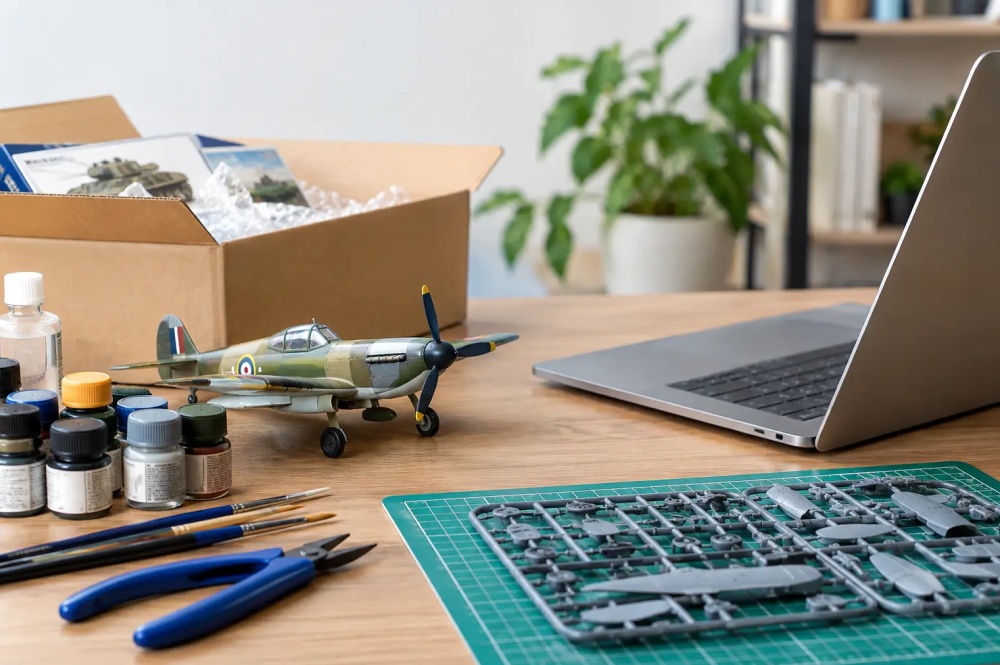
A project can stall over a part smaller than a fingernail. A missing canopy mask, the wrong decal sheet, or photoetch designed for a different kit can turn a planned weekend at the bench into another round of searching.
Read more
A rare 1/32 cockpit set, a specific decal sheet, or the one photoetched fret that fits your chosen kit should not require a string of uncertain orders from unrelated sellers. International shipping for model kits gives builders access
Read more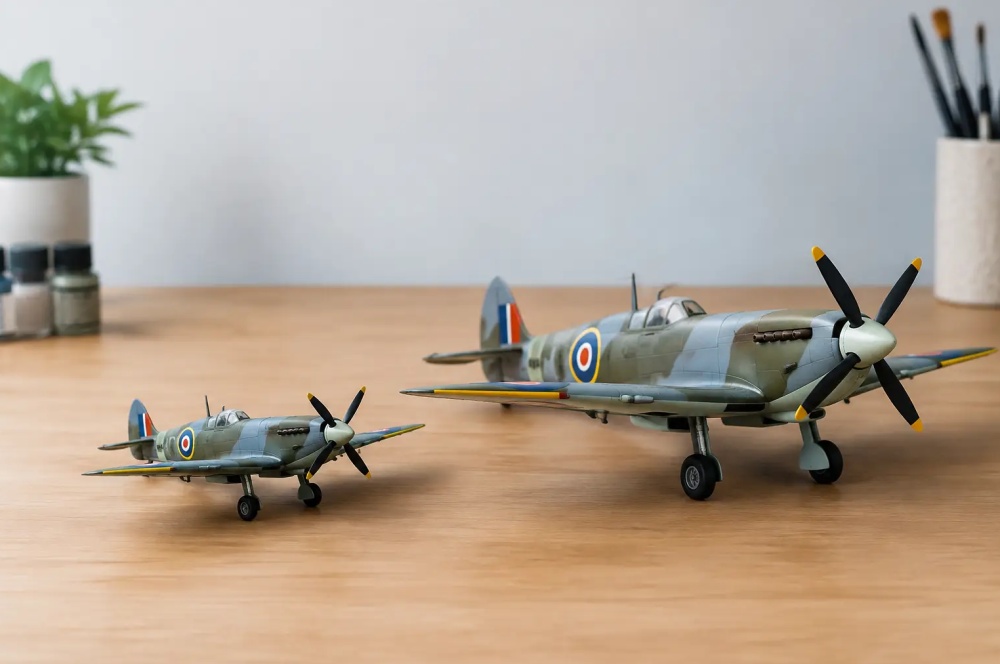
A 1/48 single-engine fighter can look modest in the box, then occupy most of a shelf once its landing gear, propeller, and open canopy are in place. Put several bombers beside it and the problem becomes obvious.
Read more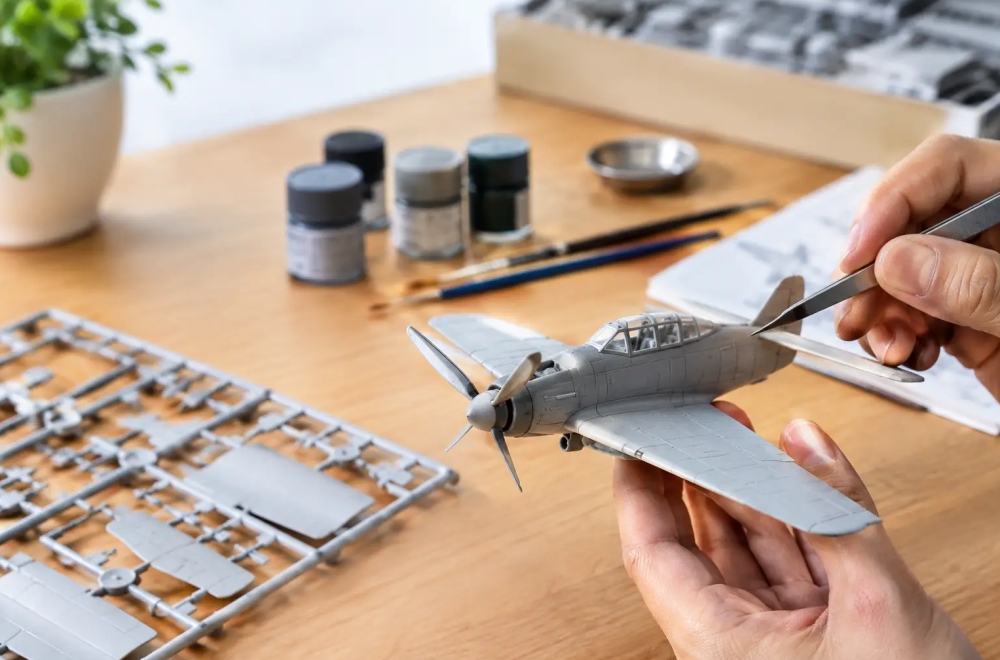
A well-finished scale model is usually decided before the first parts leave the sprue. In plastic modeling, the kit choice, scale, reference material, paint plan, and available aftermarket parts all affect the result.
Read more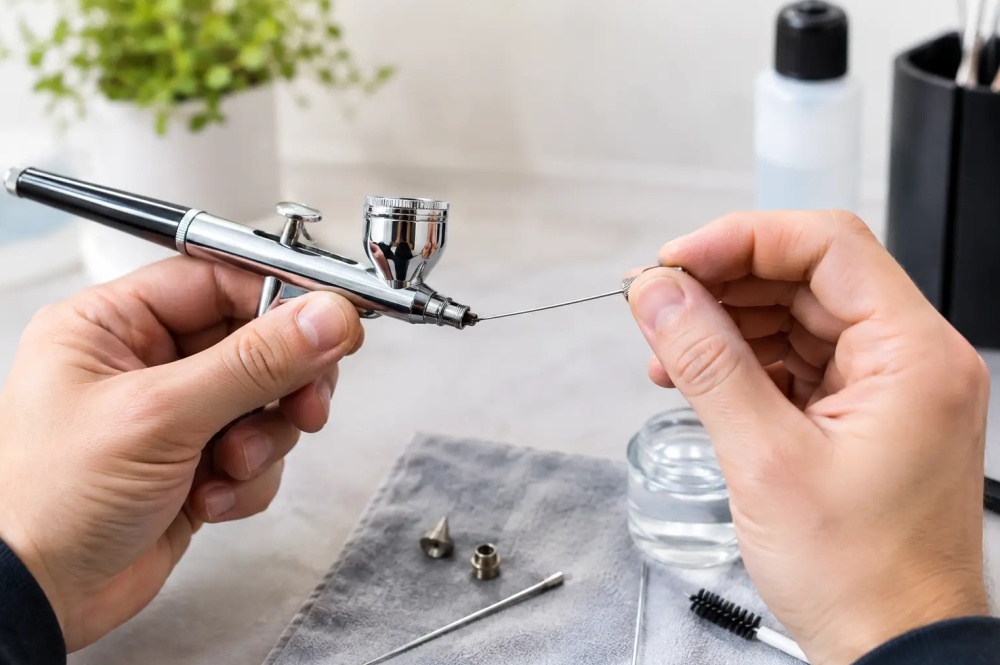
A clean airbrush can still spray badly if the nozzle has dried paint inside it. The opening is where atomization begins, and even a thin ring of acrylic, lacquer, or primer can turn a controlled fine line into sputtering, pulsing, or a spray pattern
Read more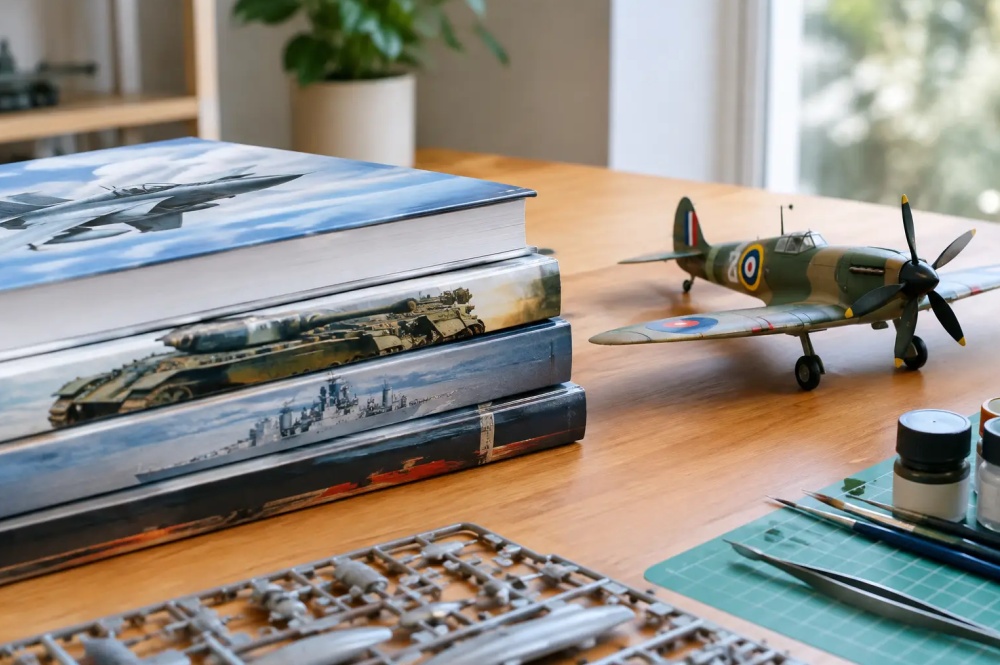
A kit can be sharply molded, well engineered, and supplied with good decals, yet still leave critical questions unanswered. Was that cockpit finish really black? Did the vehicle carry that stowage layout in the period being modeled?
Read more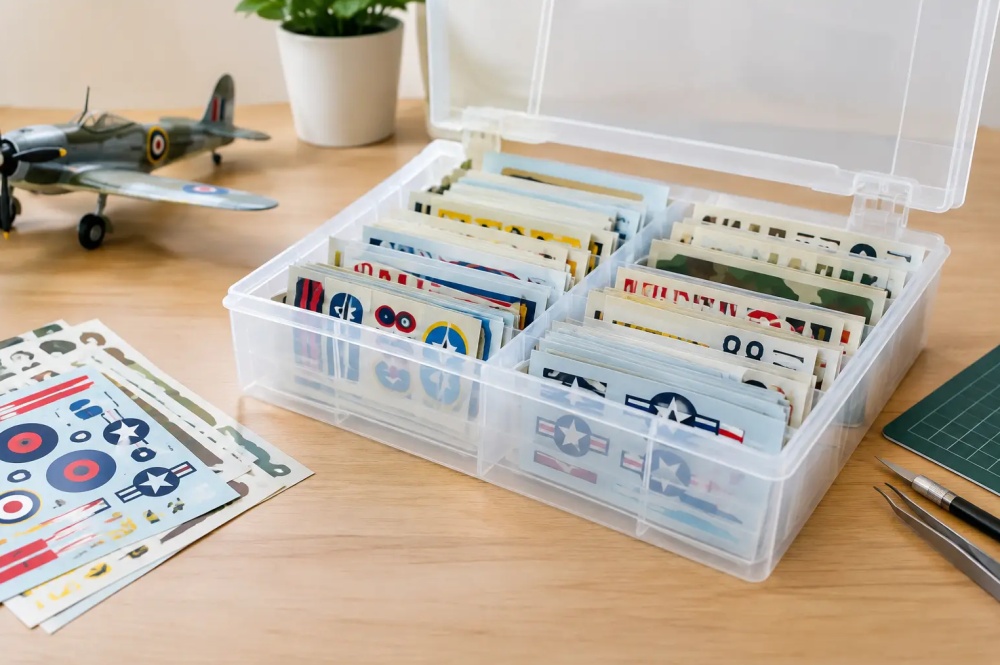
A decal sheet that vanishes just when you need the correct serial number or unit badge is more than a minor bench annoyance. It can stop a build, especially when the sheet is out of production or covers several projects.
Read more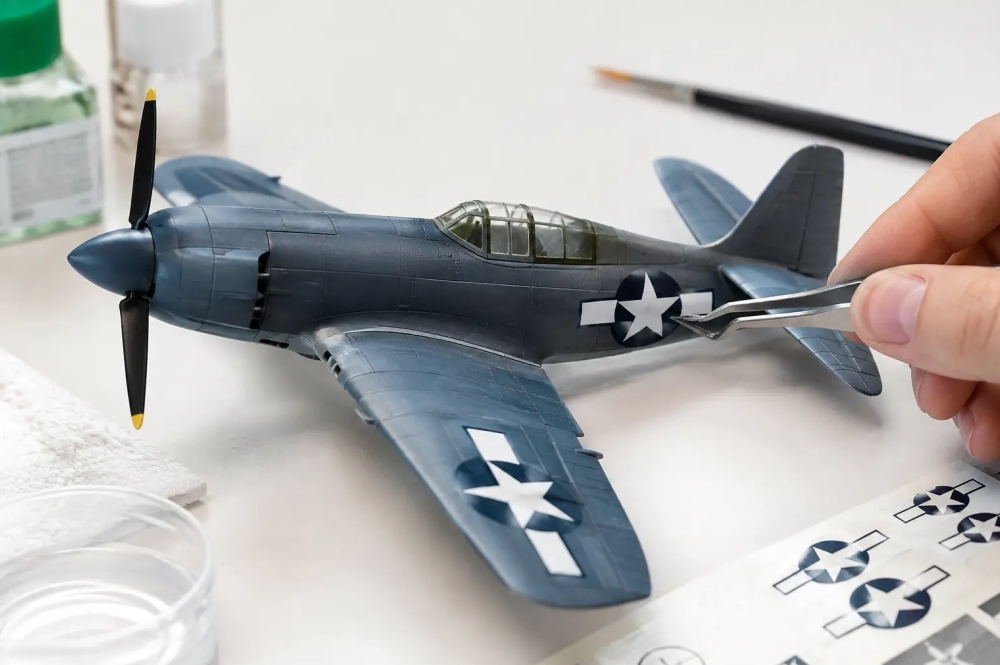
A flawless national marking can look wrong the moment its clear carrier film turns pale gray against the paint. Learning how to prevent decal silvering is less about finding one miracle liquid and more about controlling the surface, the decal, and
Read more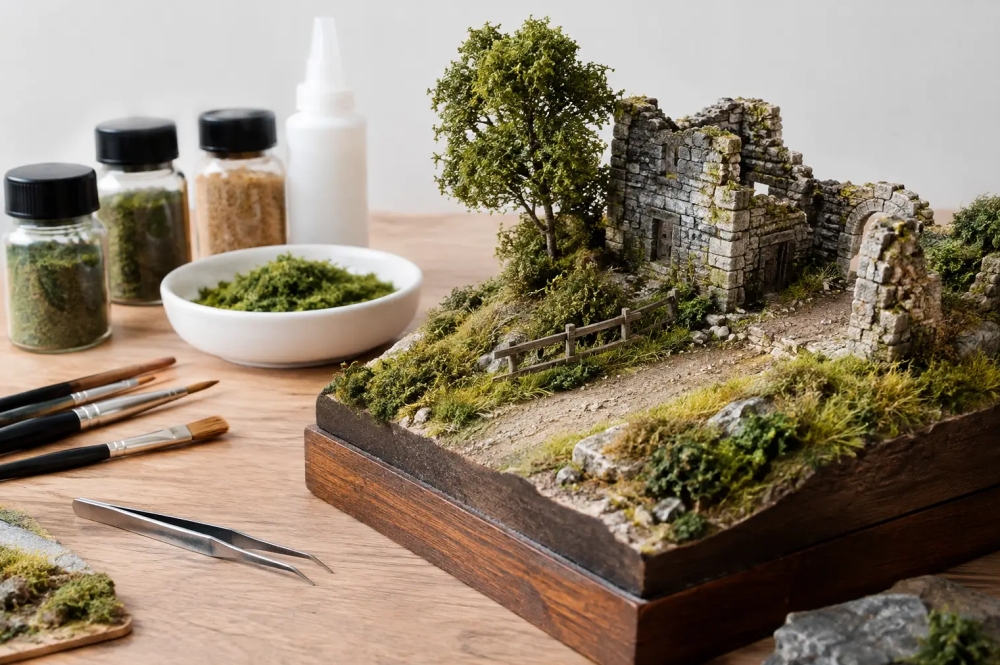
A well-finished tank, aircraft, or figure can still look disconnected when it sits on a flat, featureless base. Diorama terrain building gives the model a physical setting, establishes scale, and explains the weathering on the subject.
Read more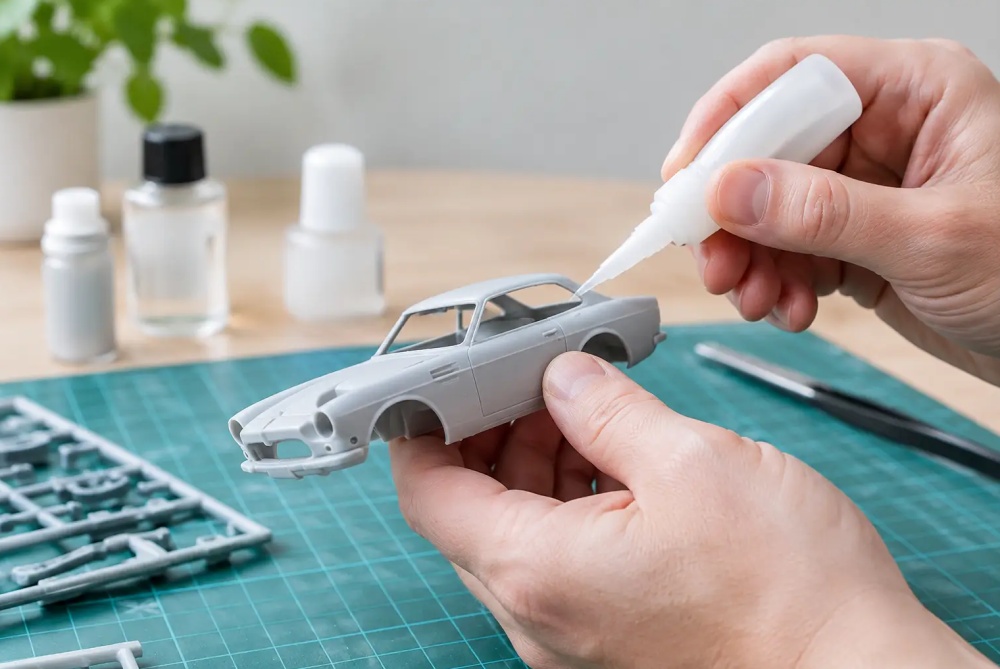
A resin cockpit sidewall that releases from the fuselage after painting is more than a minor irritation. It can damage surrounding detail, crack paint, and turn a nearly finished 1/48 aircraft or 1/35 vehicle into a repair job.
Read more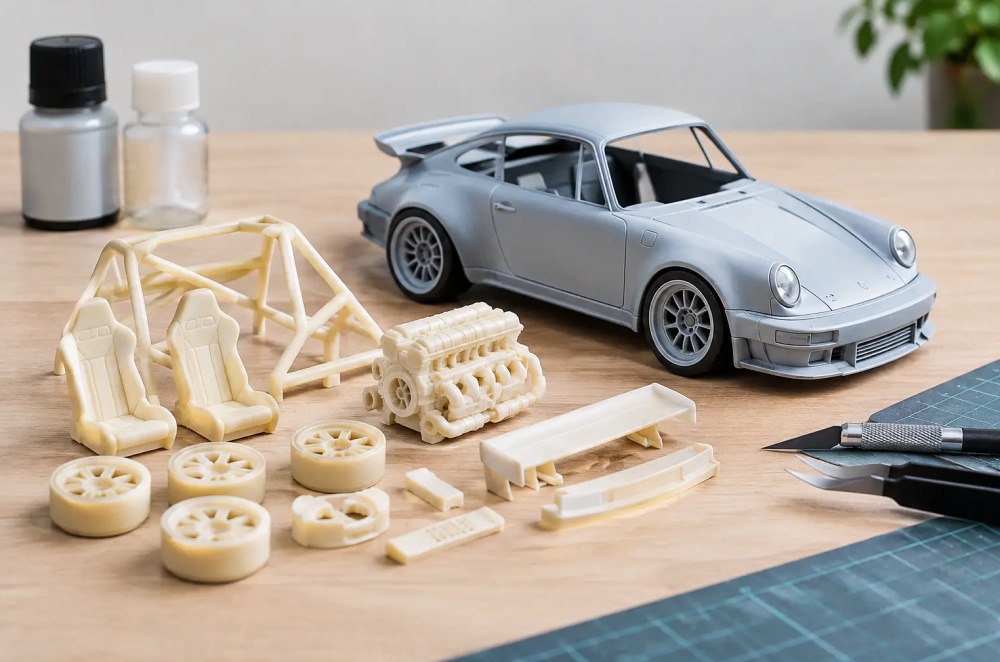
A resin cockpit that drops cleanly into a 1/48 aircraft fuselage, or a replacement turret that sits squarely on an armor hull, can transform an ordinary kit. The result is not automatic, however. Knowing how to build resin upgrades is mostly about
Read more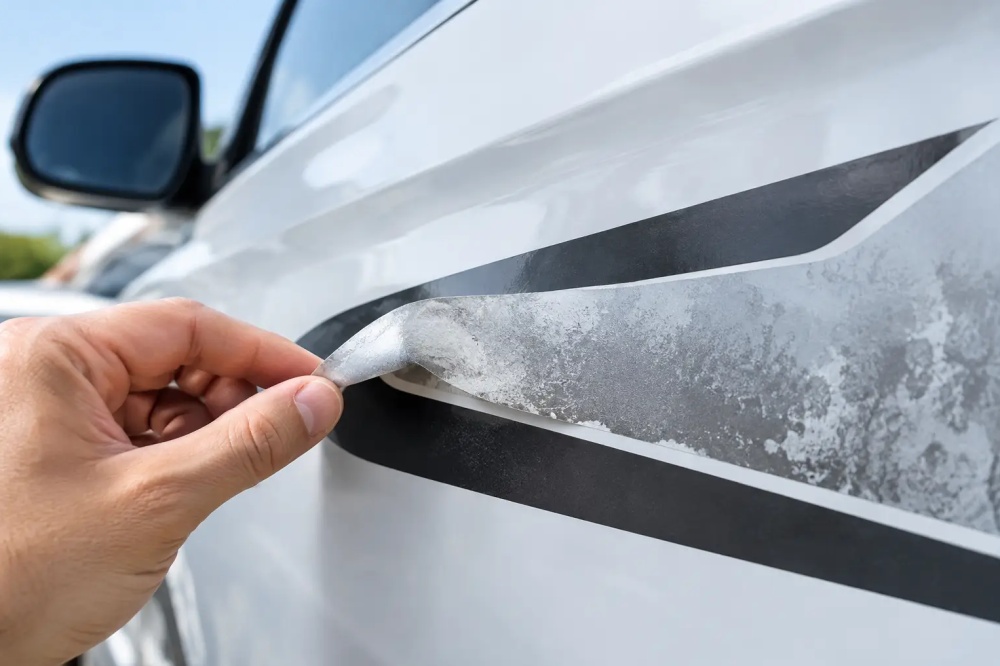
A national insignia can look perfect in the water, slide into place without folding, and still turn milky the moment it dries. Why do decals silver? The short answer is trapped air under the clear carrier film.
Read more
A fuselage seam that cracks during sanding, a wing root that refuses to sit flush, or a photoetched cockpit detail that disappears under a white bloom usually comes down to one bench decision: adhesive choice. In plastic cement versus superglue, ...
Read more
A half-painted 1/48 aircraft, an open bottle of thinner, and a decal sheet with one marking already missing is usually not a motivation problem. It is a workbench organization problem. Scale modeling involves small, easily damaged parts, ...
Read more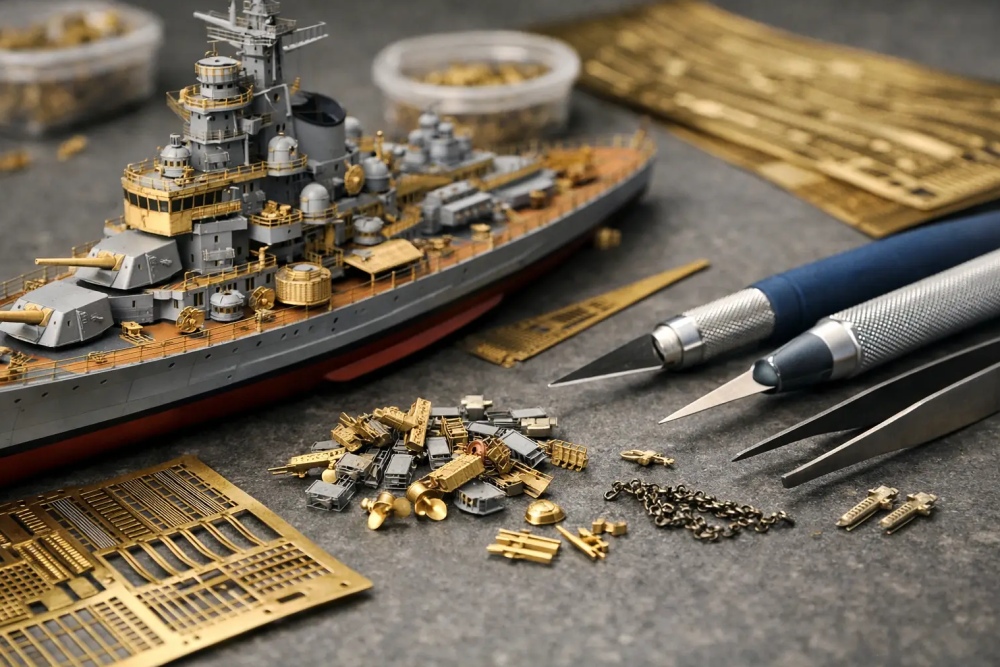
A ship kit can have a finely molded hull, accurate dimensions, and good surface detail, yet still look simplified once the deck fittings and railings are in place. That is where the best ship detail upgrade sets earn their place.
Read more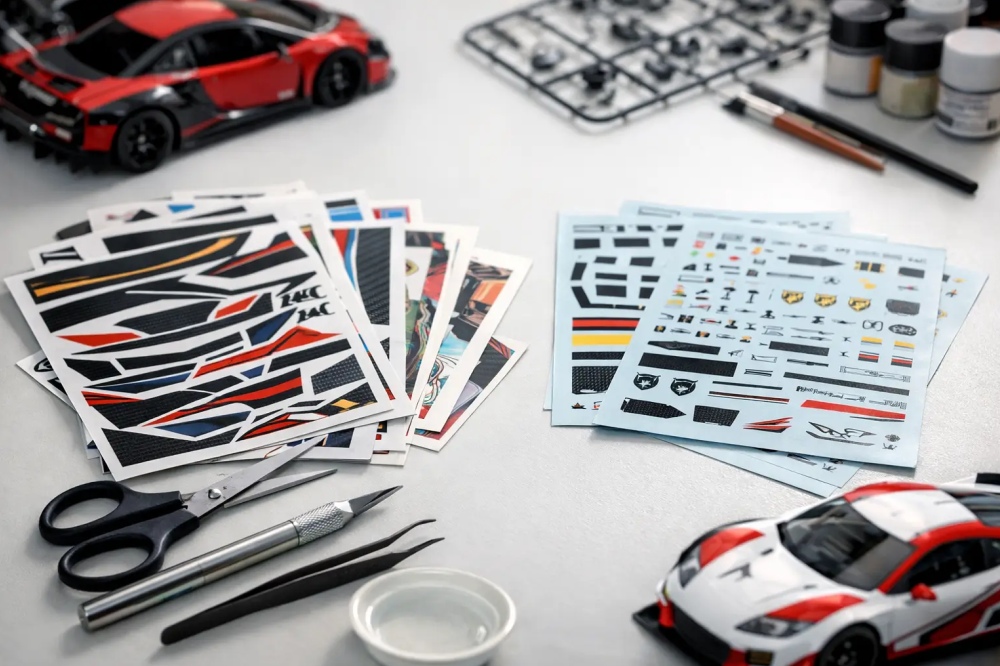
A decal sheet can decide whether a finished model looks like a carefully researched subject or simply the version shown on the box art. The choice between aftermarket decals vs kit decals is not automatically a choice between better and worse.
Read more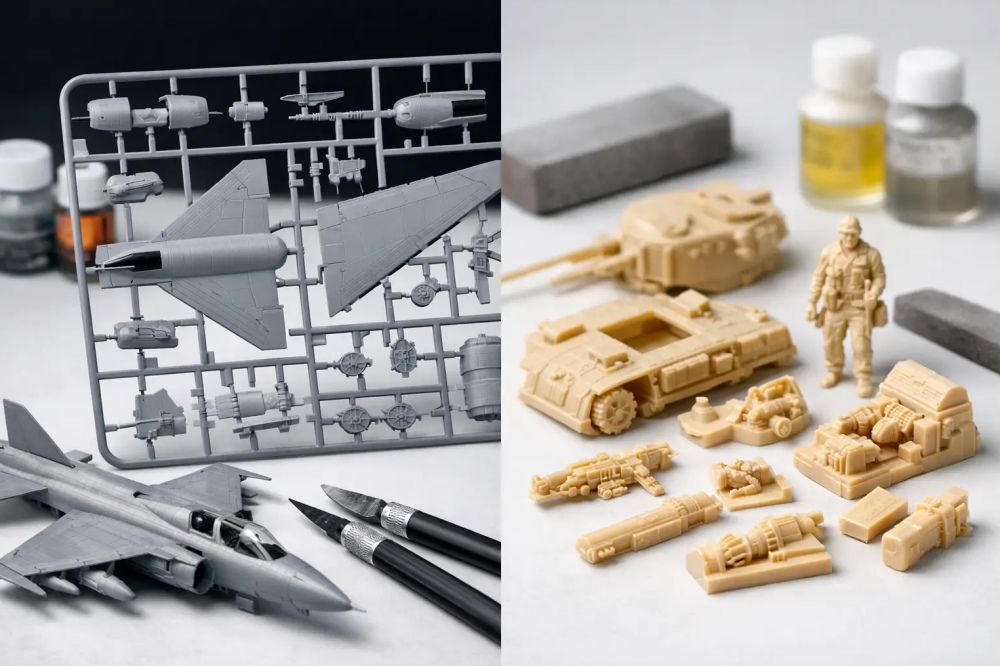
A 1/48 cockpit with fine cast wiring, a rare 1/72 prototype, or a large 1/350 correction set can make resin look like the obvious choice. Yet the best result does not automatically come from the material with the sharpest detail.
Read more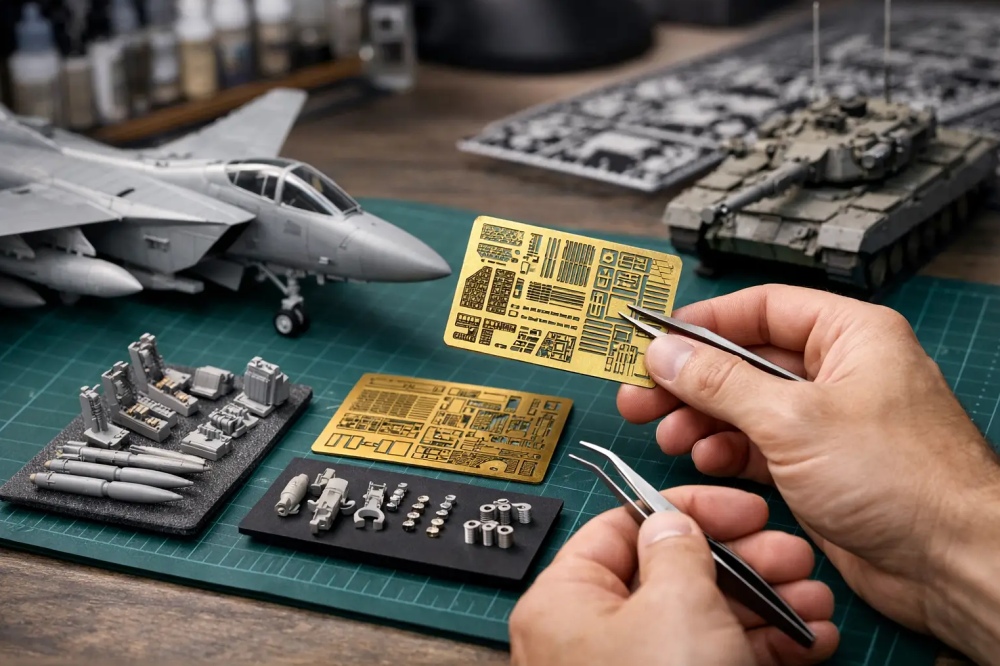
A cockpit set labeled 1/48 is not automatically right for every 1/48 aircraft kit. The same applies to armor tracks, ship railings, replacement wheels, decals, masks, and conversion parts.
Read more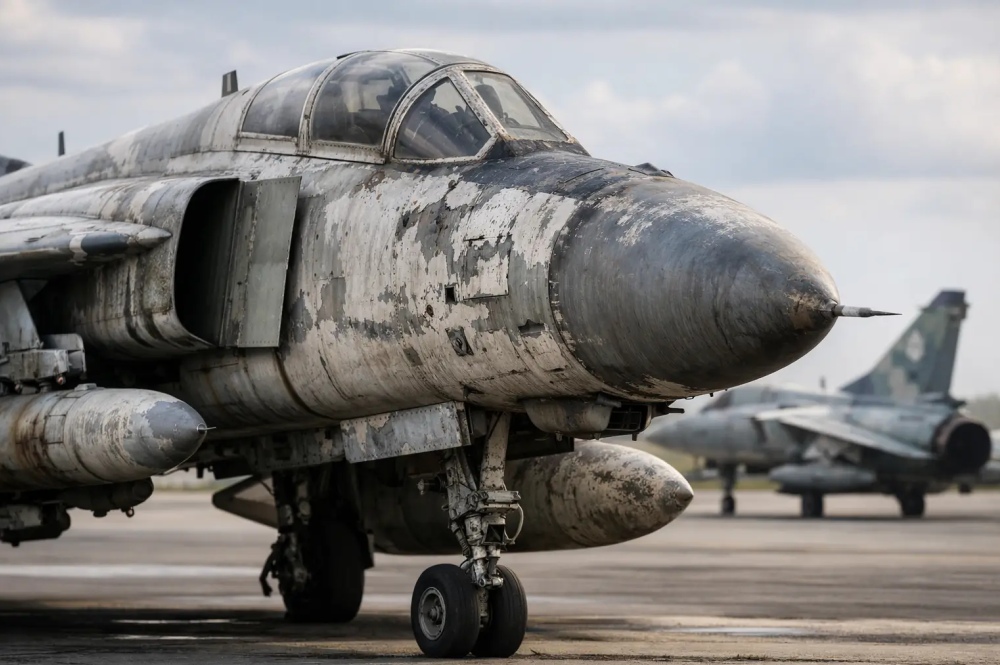
A model can have flawless decals, a sharp camouflage finish, and perfectly aligned landing gear, yet still look like it has never left the factory. The best aircraft weathering examples solve that problem by showing how a particular airframe was used
Read more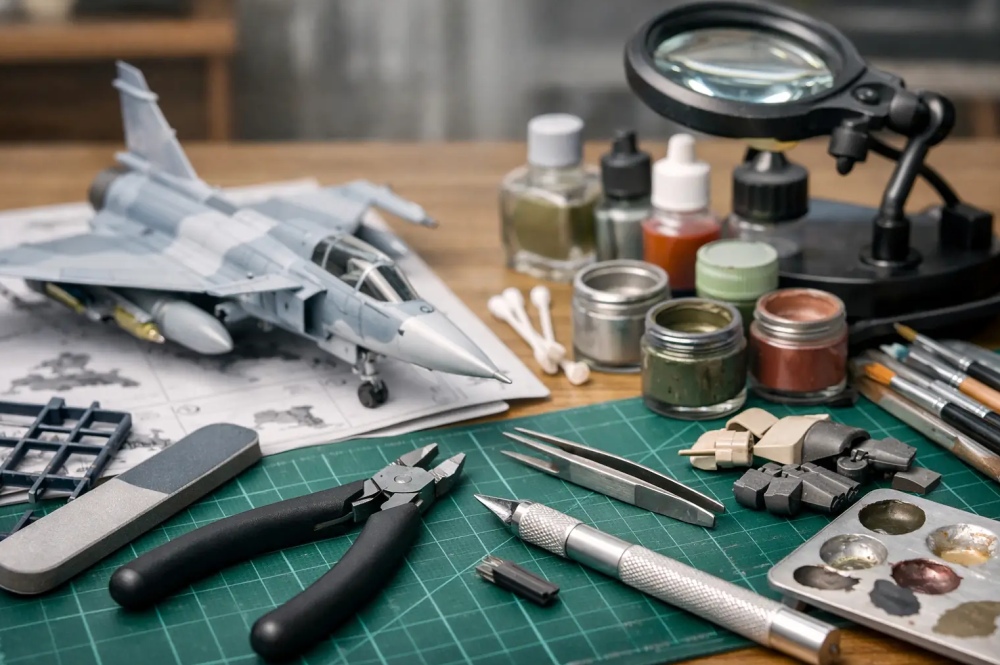
A good kit can be built straight from the box. A convincing one usually depends on the best model kit accessories being chosen for the subject, scale, and finish you actually want. The point is not to add every available upgrade.
Read more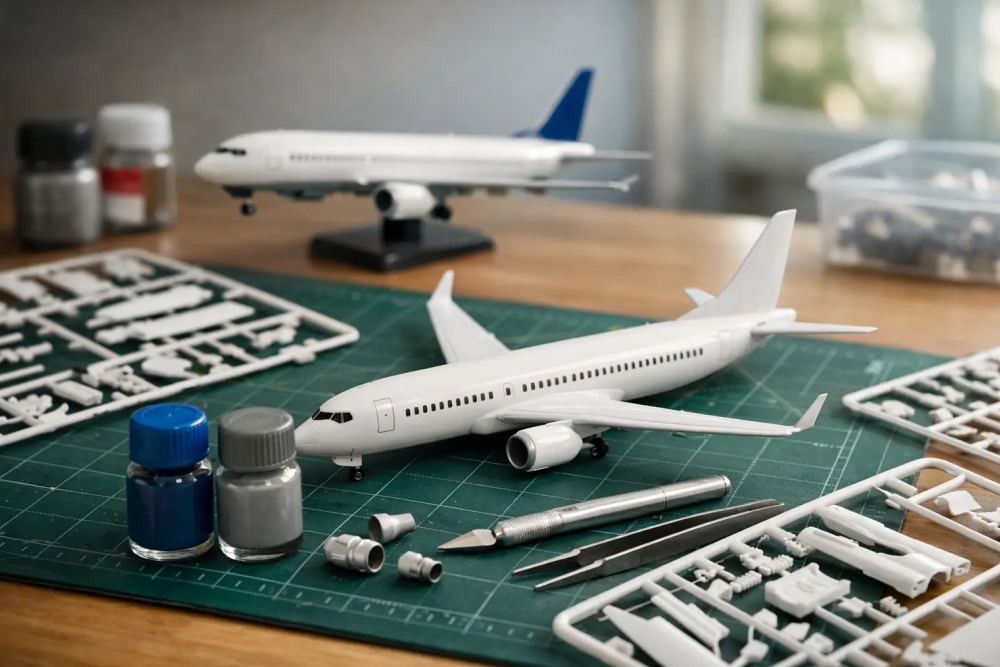
A 1/144 airliner can look surprisingly substantial in a display case. A narrow-body jet still has enough presence to show off a full airline livery, while even a four-engine wide-body remains practical to store and transport.
Read more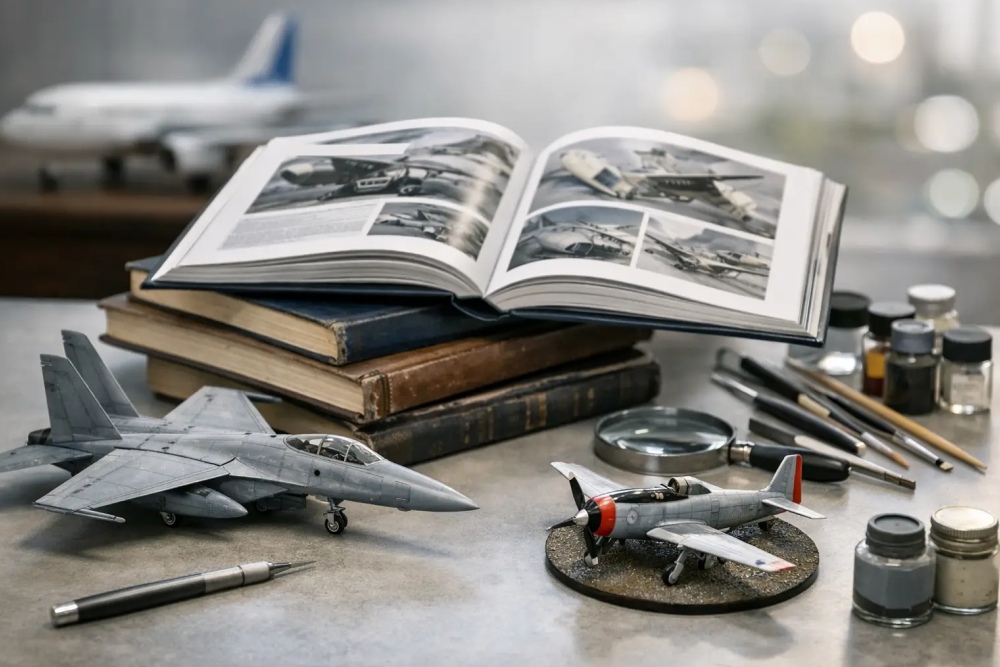
A good aircraft kit can be built straight from the box. A convincing aircraft model usually starts somewhere else: with photographs, drawings, and reliable aviation reference books. The difference is rarely just a matter of adding more parts.
Read more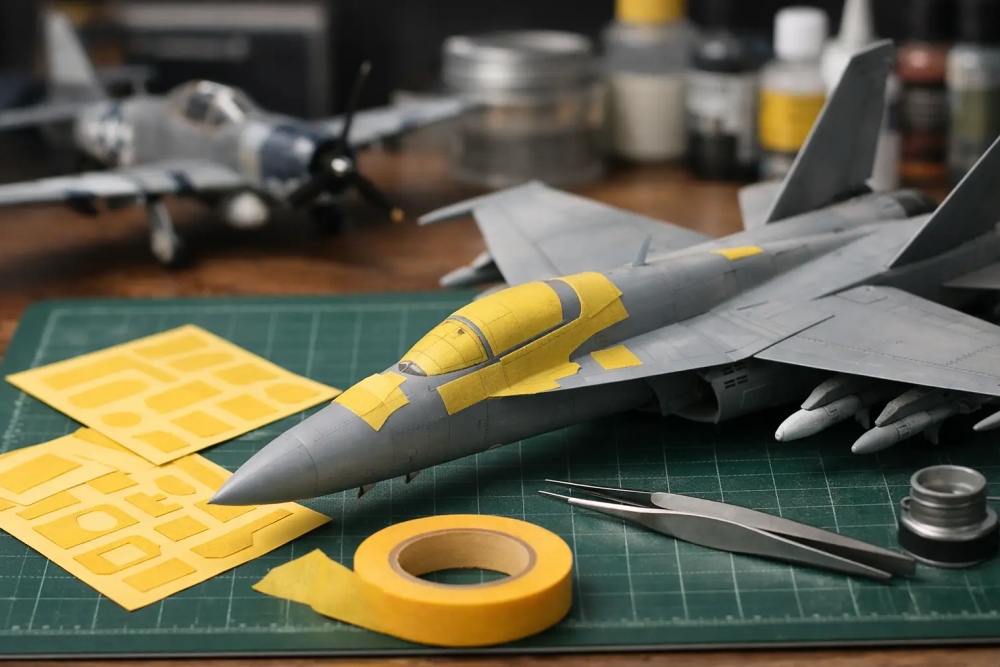
A canopy mask can look correct on the package and still fail at the bench. If one frame line lands short, a curve is wrong, or a panel mask belongs to a different tooling, the result is more cleanup than convenience.
Read more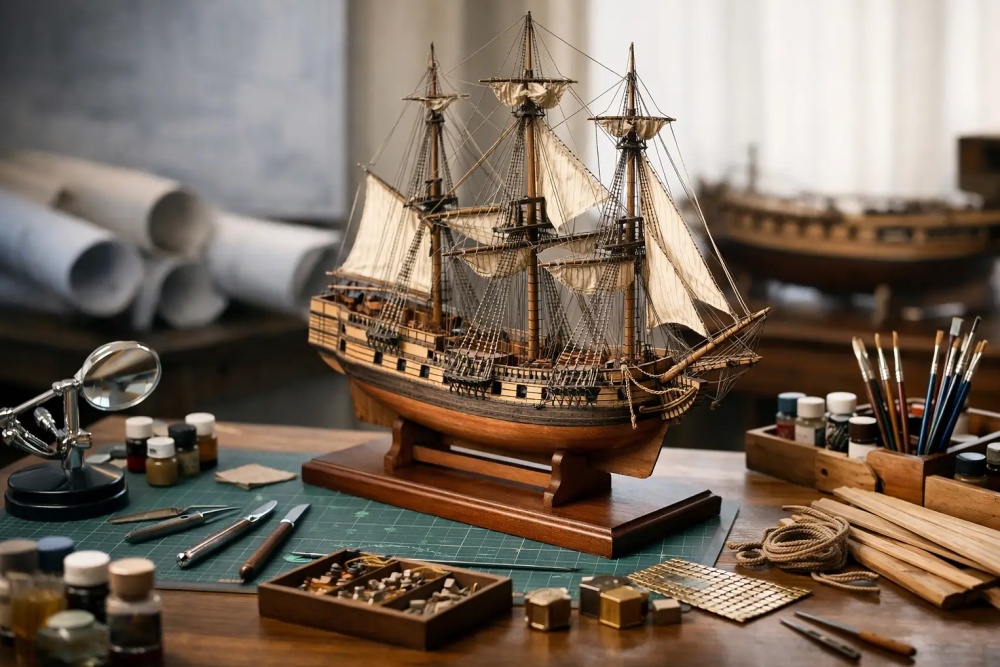
A 1/350 destroyer with a clean waterline, a large-scale battleship with a complete deck, or a compact 1/700 fleet display can each be the right project. The best ship model kits are not defined by part count alone.
Read more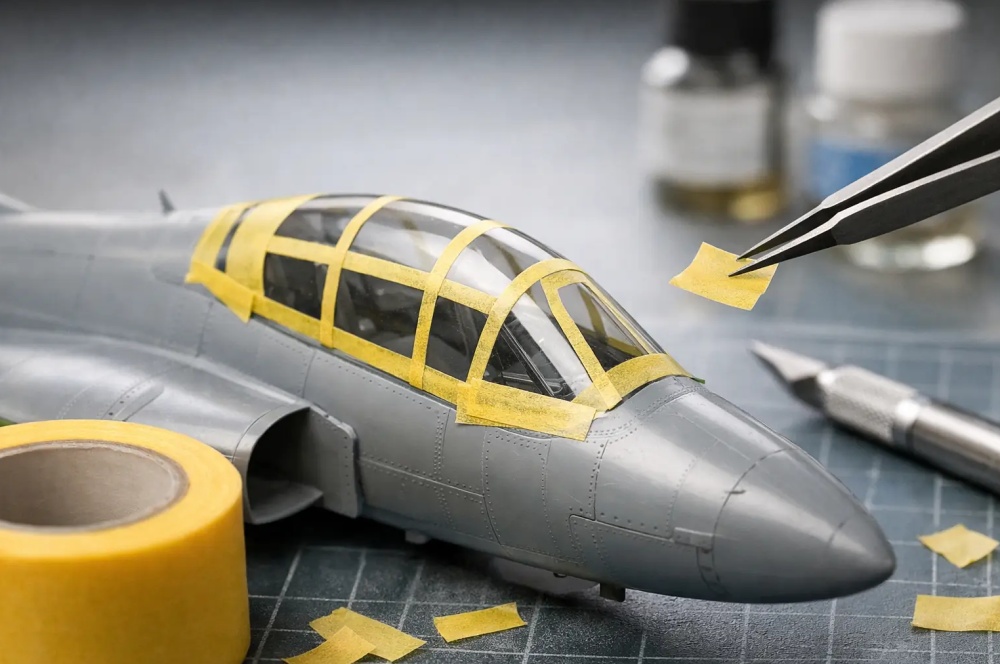
A canopy can make an otherwise excellent aircraft build look unfinished in seconds. Knowing how to mask clear canopies is less about finding one magic product and more about controlling preparation, adhesion, paint buildup, and removal.
Read more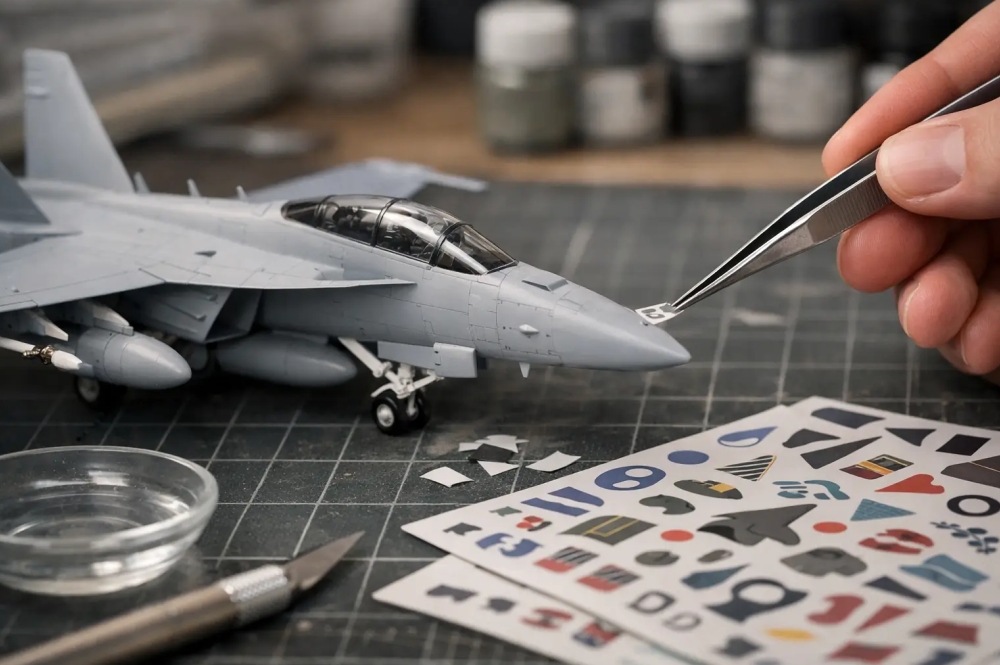
A well-painted aircraft can still look wrong the moment its markings go on. Aircraft model decals establish the aircraft’s identity: unit, serial, national insignia, maintenance data, mission markings, and the small stencils that give a scale finish
Read more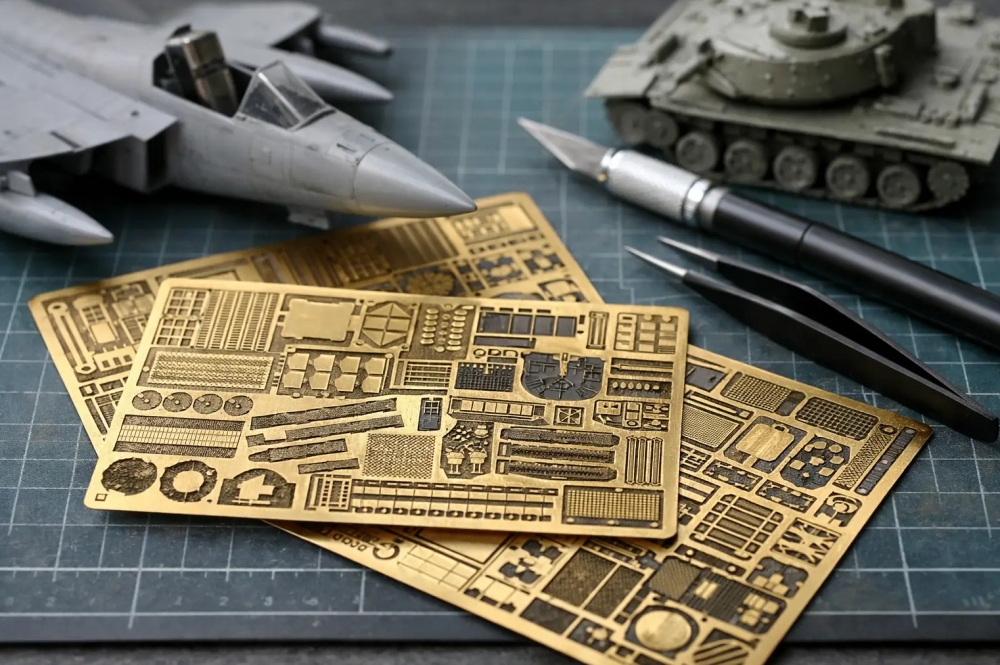
The most reliable source is a dedicated online scale-model shop with a deep aftermarket catalog. General craft stores may carry a few basic tools or a limited selection of kits, but photoetch is typically too subject-specific for broad retail shelves
Read more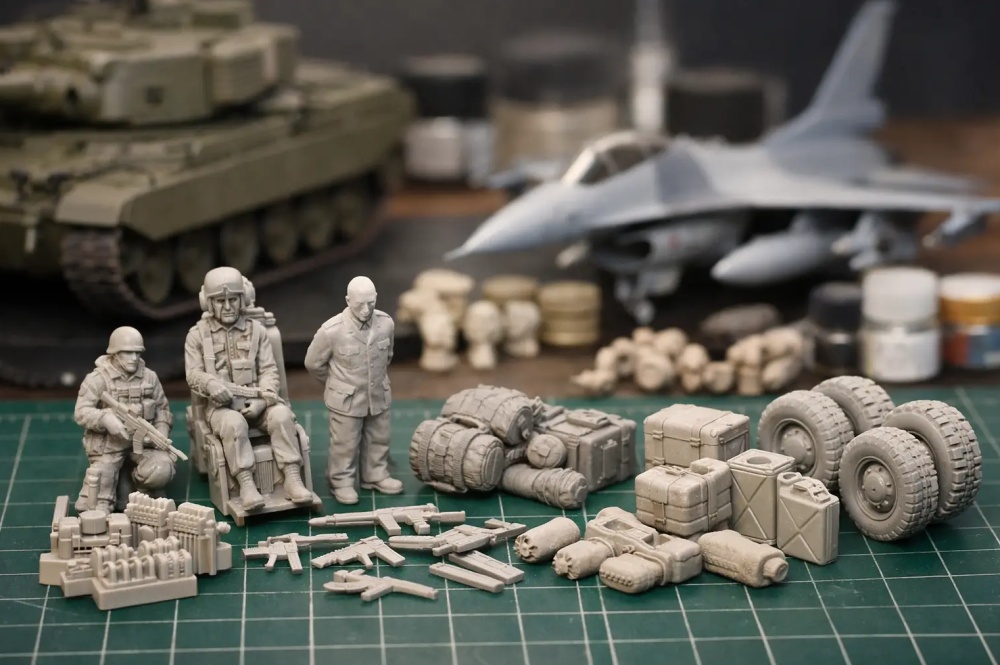
A resin cockpit set can transform a familiar 1/48 aircraft kit, but only if it fits the exact kit, represents the correct version, and suits the level of work you want to take on. Knowing how to select resin accessories starts before adding anything
Read more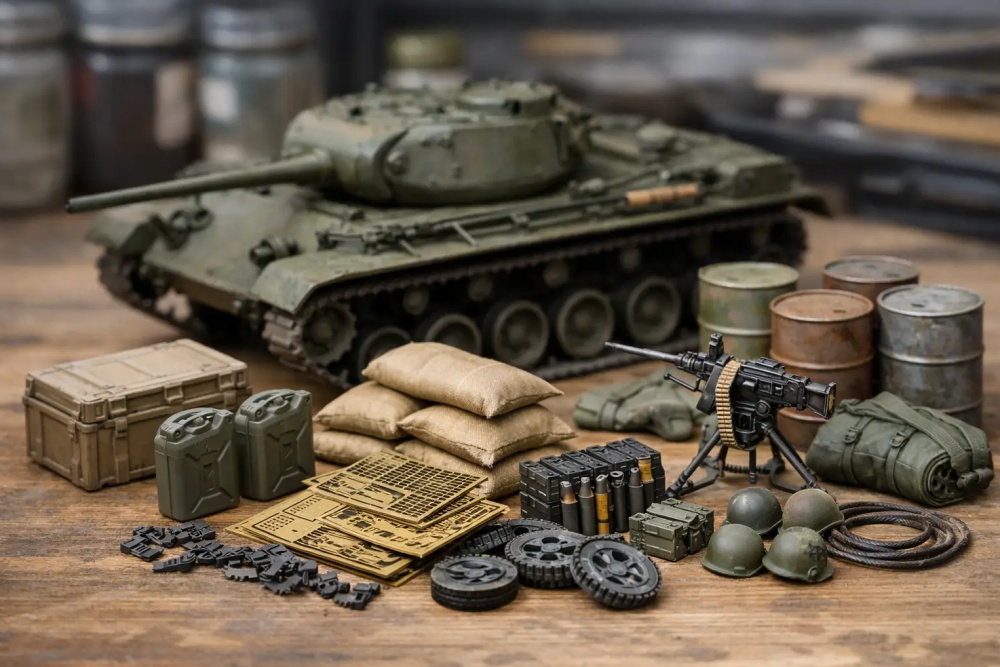
A well-built 1/35 armored vehicle can still look unfinished when the tracks sit too cleanly, the tool clamps are molded solid, or the stowage has no connection to the crew using it.
Read more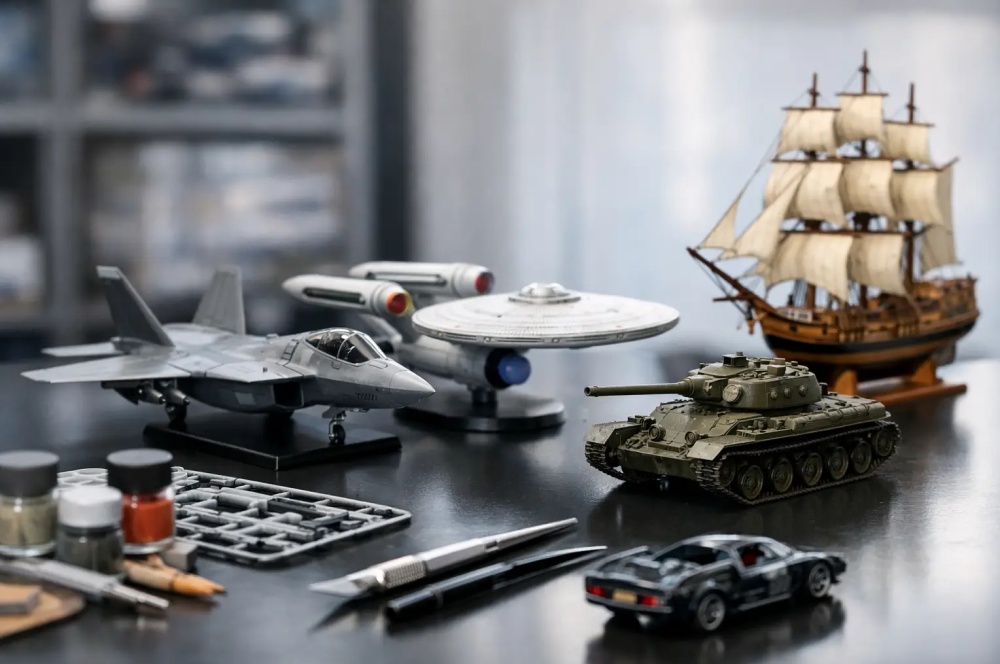
A new-tool kit can change a project plan before the box even reaches the shelf. Future scale model releases are not only about the next aircraft, armor vehicle, ship, or car subject.
Read more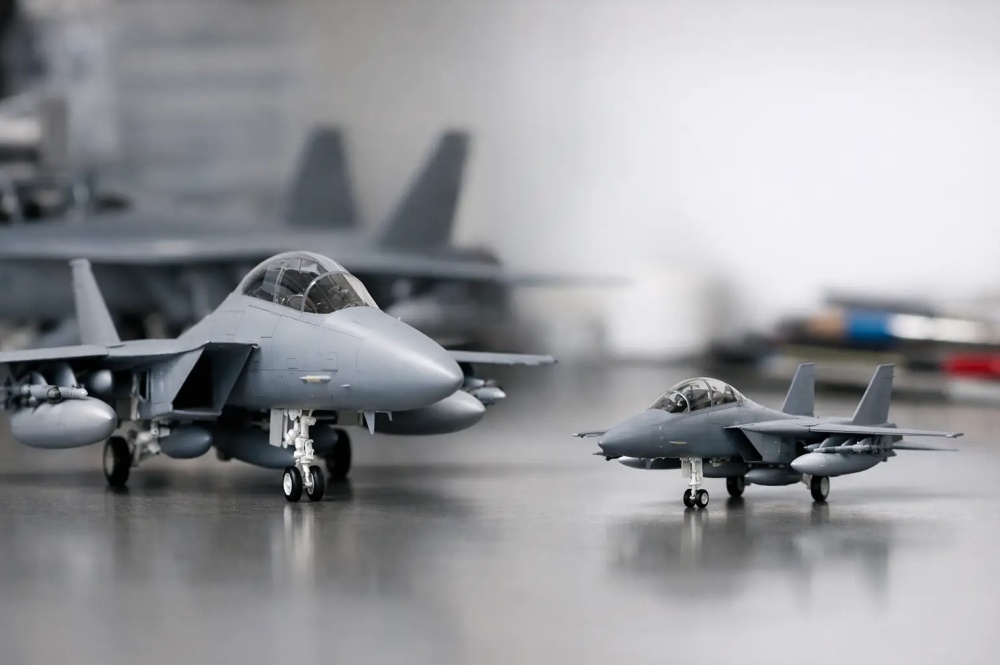
A 1/48 vs 1/72 aircraft choice changes far more than the finished model's footprint. It affects how much cockpit detail is visible, which aftermarket parts are worth buying, how many kits fit in a display case, and how long a project remains on the
Read more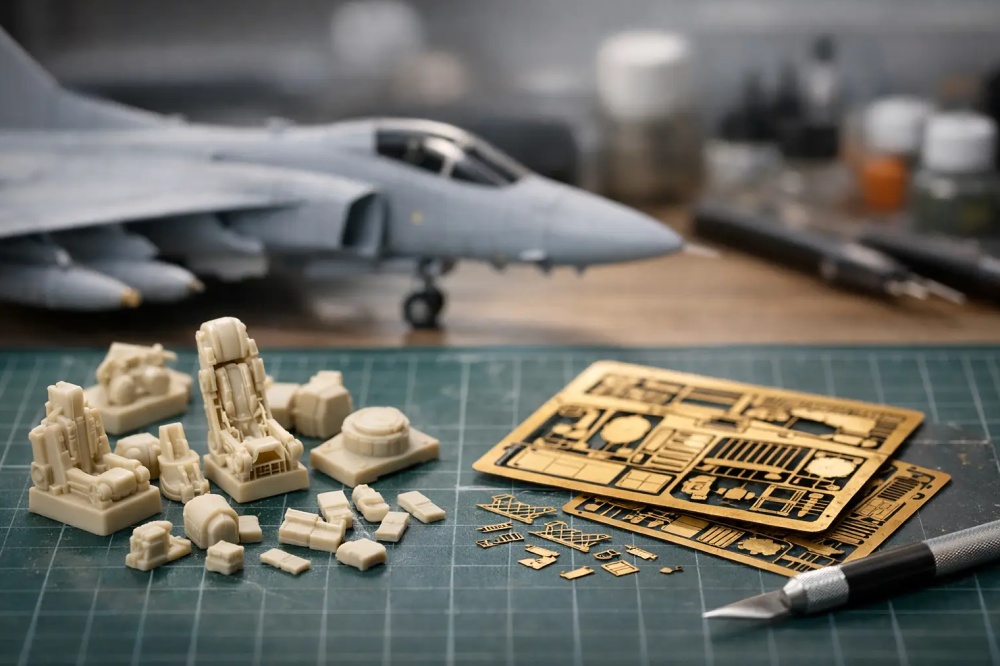
A good aftermarket set should solve a visible limitation in the kit, not merely add parts to the bench. Choosing between resin or photoetch upgrades starts with the area you want to improve: a cockpit, landing gear bay, engine, armor stowage rack,
Read more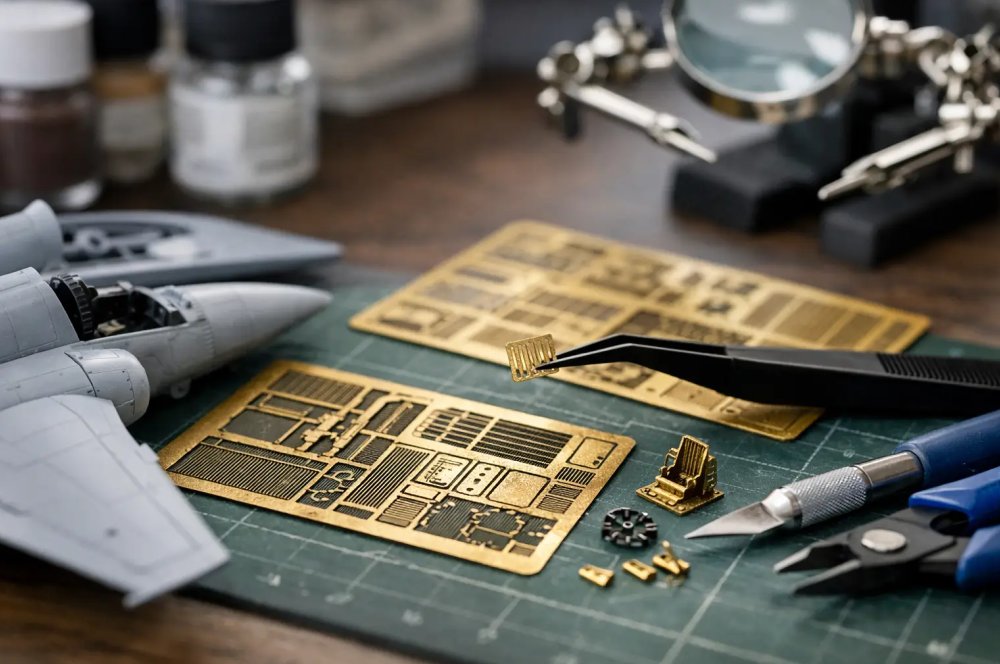
A photoetched fret can make a good kit look distinctly more convincing, but only when the parts solve a visible problem. The question of how to pick photoetch upgrades is not really about buying the largest set available.
Read more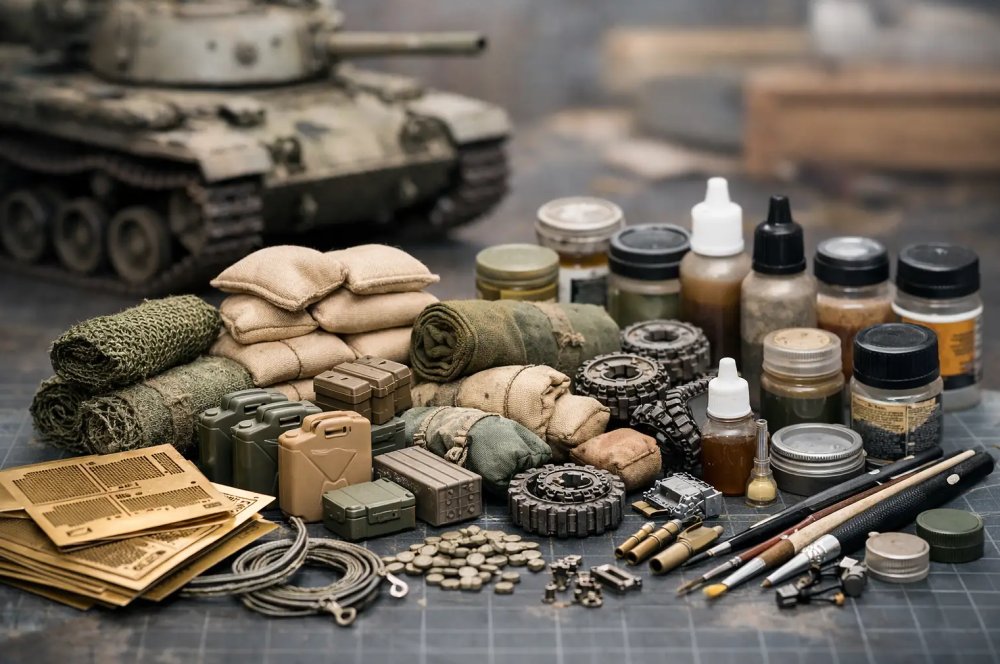
A well-chosen accessory can make an ordinary armor kit look convincingly weighty, used, and specific. A poorly chosen one can create fit problems, wasted money, and detail that disappears under paint.
Read more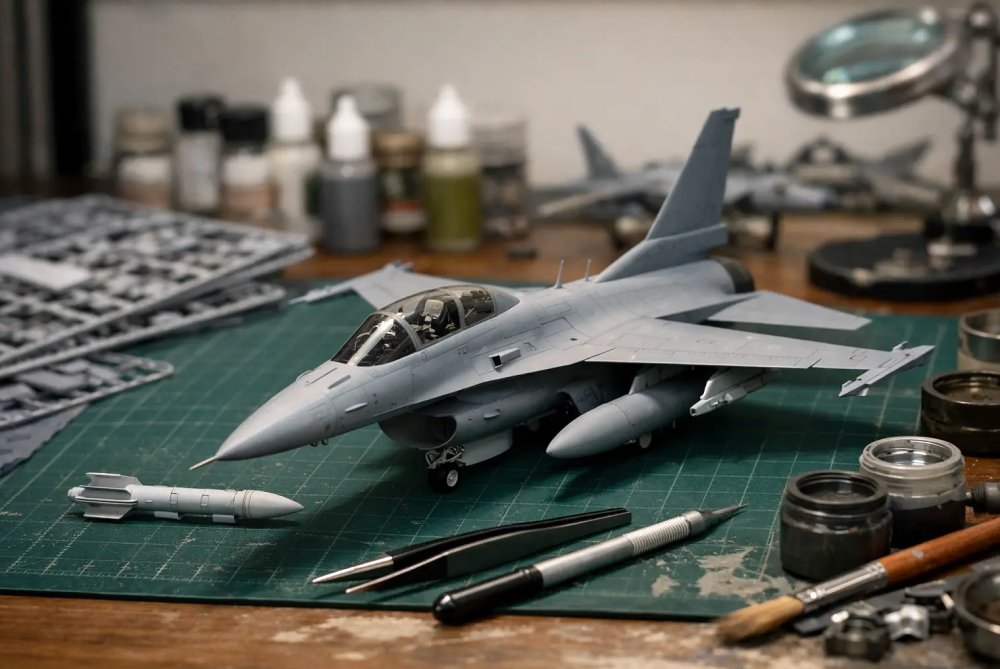
A useful 1 48 aircraft kit review is not decided by a dramatic box-art subject or the number of parts in the box. At this scale, a kit can look impressive on the sprues and still create avoidable work at the cockpit, wing roots, intake trunks, or
Read more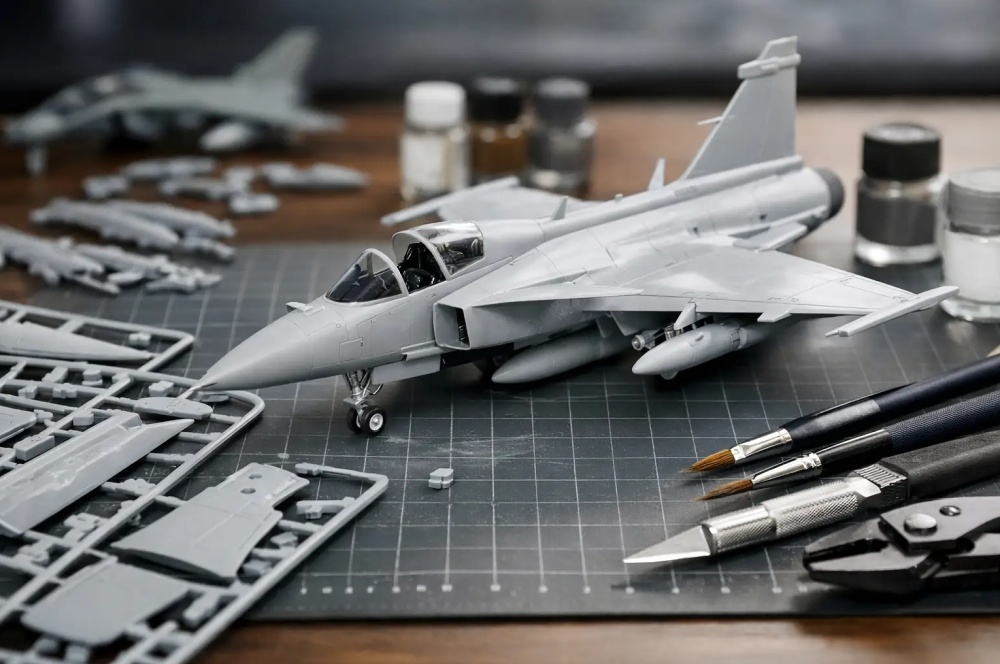
A good plastic aircraft kits guide starts before the box is opened. The subject, scale, kit tooling, and finish you want all determine whether a project becomes a satisfying build or
Read more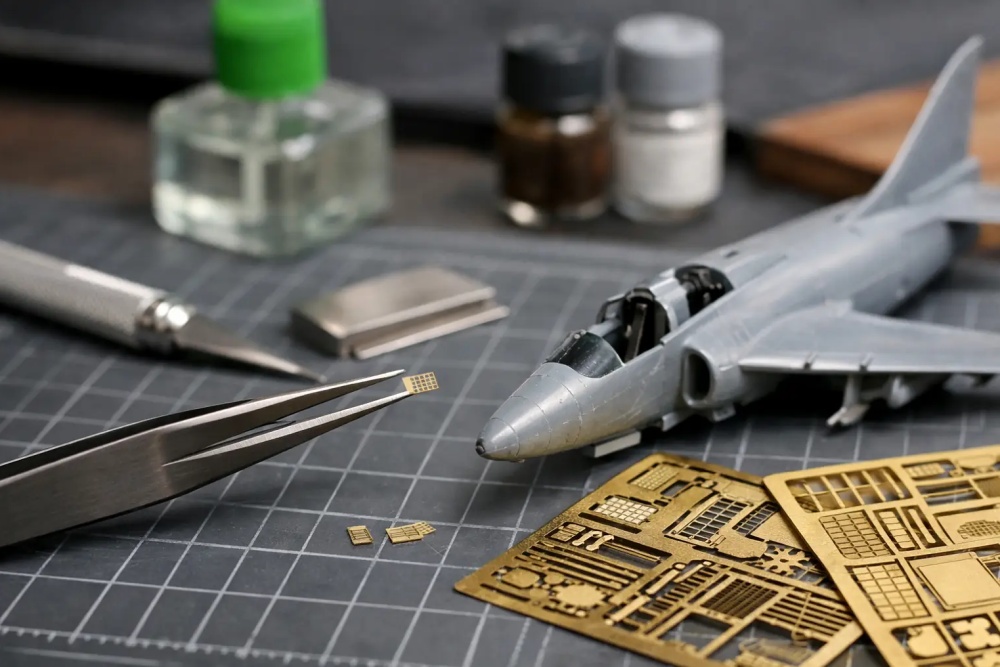
Photoetched metal can turn a good kit into a far more convincing model, but only when the parts are handled with control. Learning how to use photoetch parts is less about expensive equipment than knowing when to cut, bend, anneal, glue, and leave a
Read more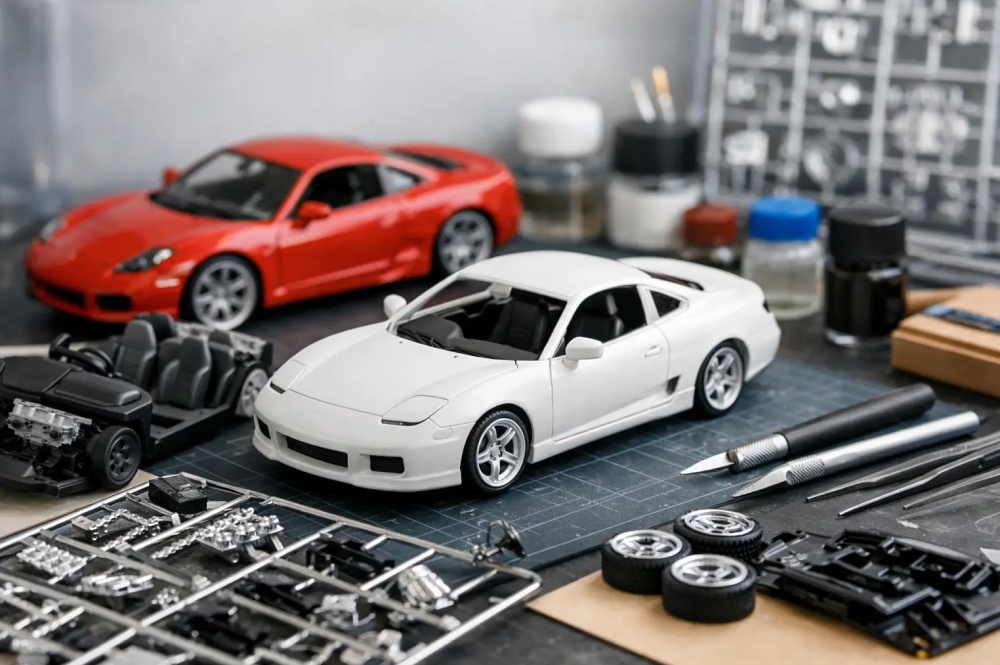
A well-chosen car kit earns its space on the bench long before the body color goes on. The best 1/24 car kits combine a subject you genuinely want to finish with clean molding, convincing proportions, usable detail, and instructions that do not turn
Read more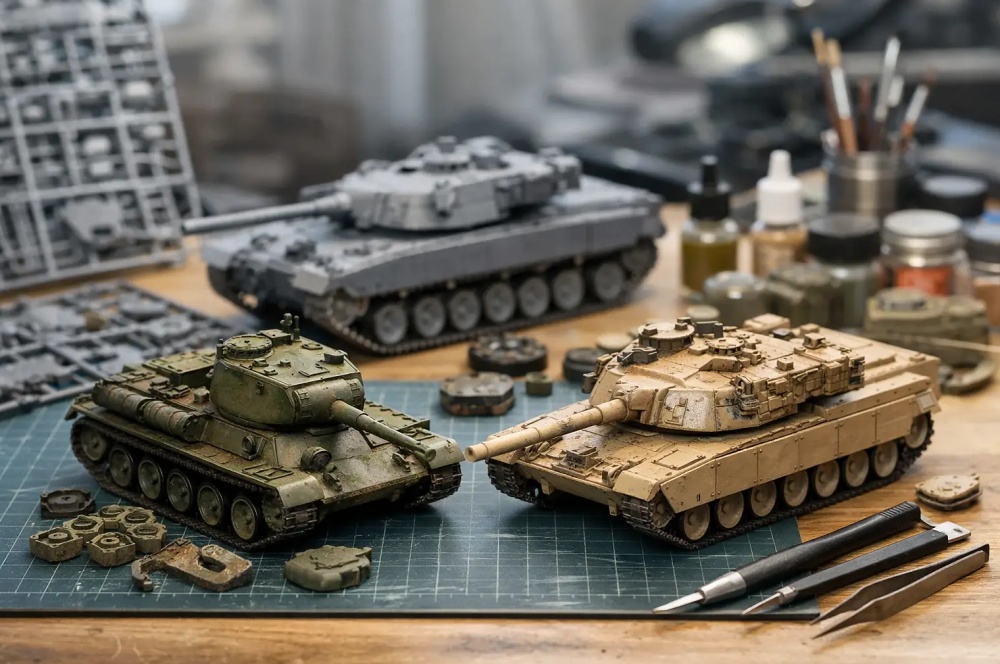
A good armor build starts long before primer reaches plastic. The best tank model kits combine a subject you genuinely want to finish with sensible engineering, convincing surface detail, and a parts breakdown that suits your preferred level of work.
Read more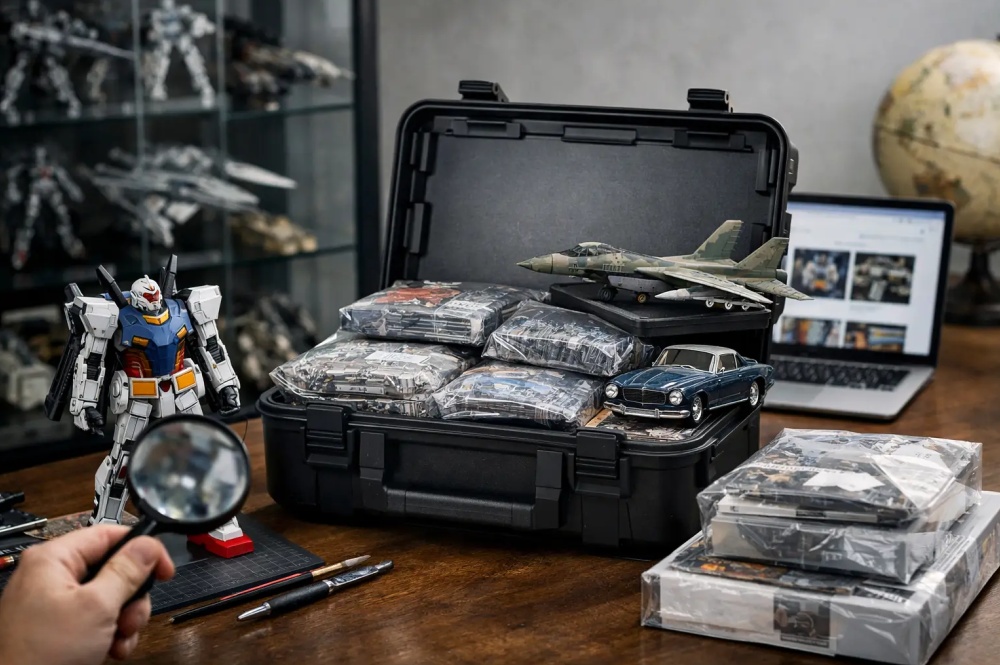
A rare kit is not always an old kit. It may be a short-run release, a limited reissue, an obscure variant from a smaller manufacturer, or a mainstream kit that disappeared from normal retail stock years ago.
Read more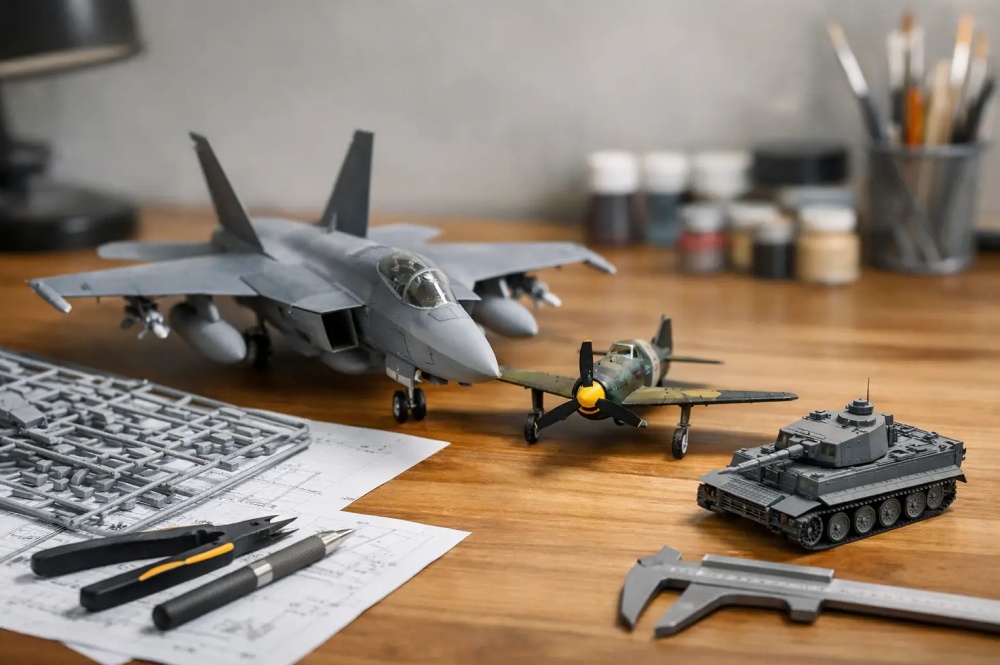
A 1/32 fighter can command the same shelf space as several 1/72 aircraft, while a 1/350 warship may require more display planning than either. Knowing how to choose model kit scale before ordering keeps a promising project from becoming an expensive
Read more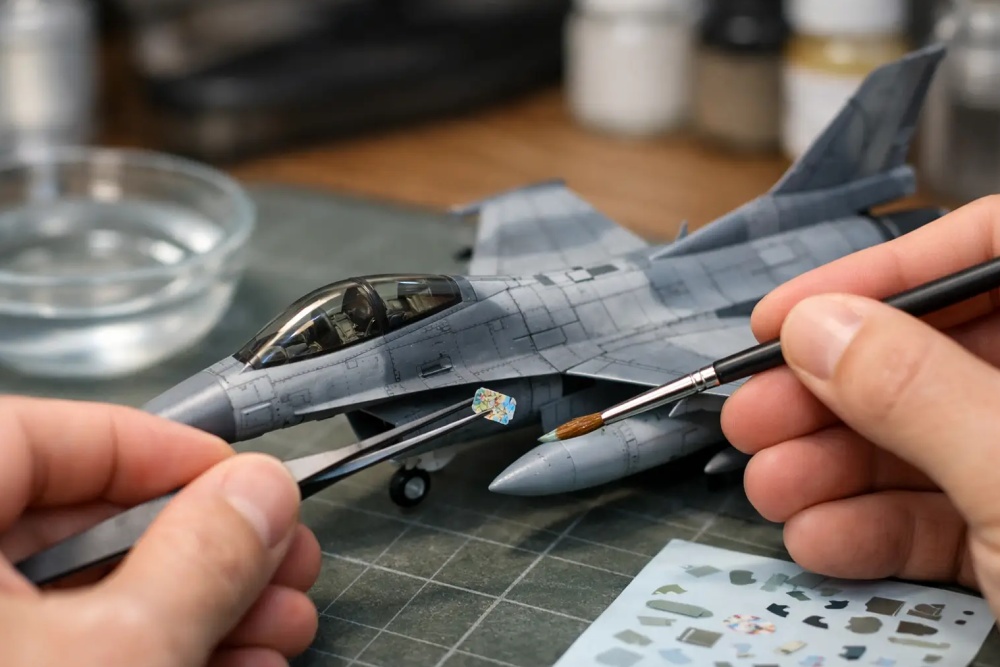
A finely painted 1/48 aircraft or 1/35 vehicle can lose much of its credibility when a marking silvers, wrinkles permanently, or sits crooked over a panel line. Learning how to apply water slide decals correctly is therefore not a cosmetic extra.
Read more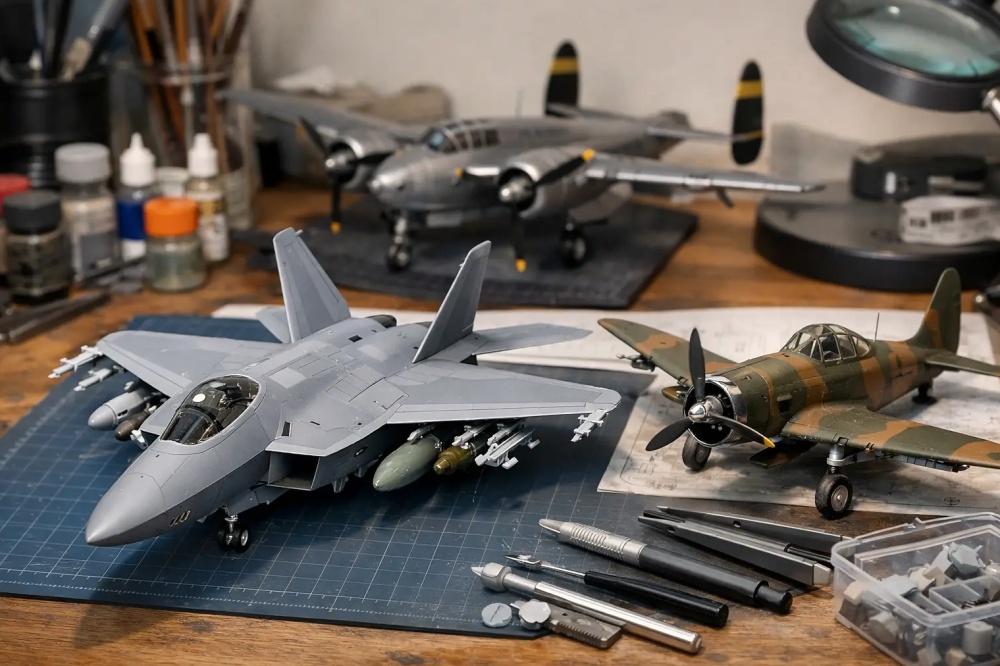
A well-chosen aircraft kit saves far more than money. It saves bench time, avoids mismatched aftermarket parts, and gives the finished model the presence you had in mind when you opened the box.
Read more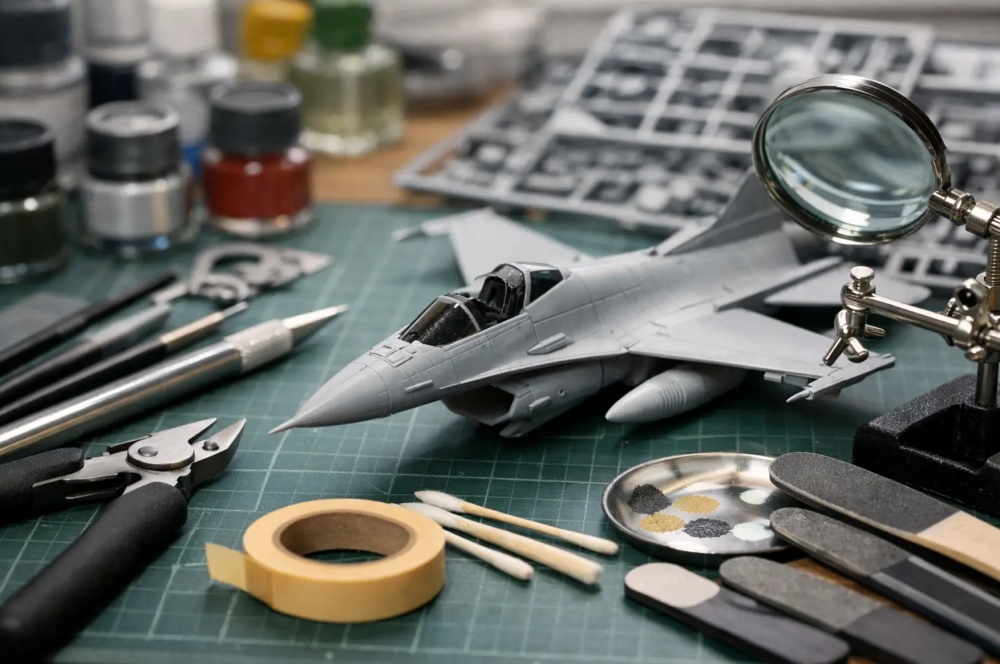
A clean 1/48 canopy frame, a square 1/35 suspension arm, or a decal that settles into fine rivet detail rarely comes down to the kit alone. This scale modeling tools guide focuses on the tools that control those results: the items used at the bench e
Read more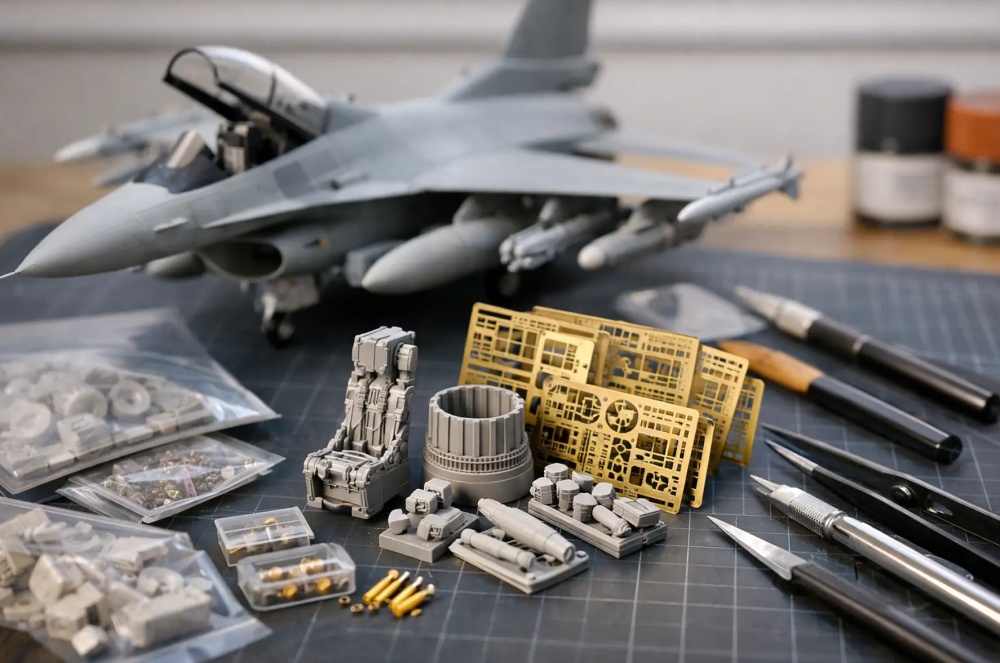
One of the fastest ways to waste money on a build is buying aftermarket before you know what the kit actually needs. A good plastic model aftermarket guide starts there.
Read more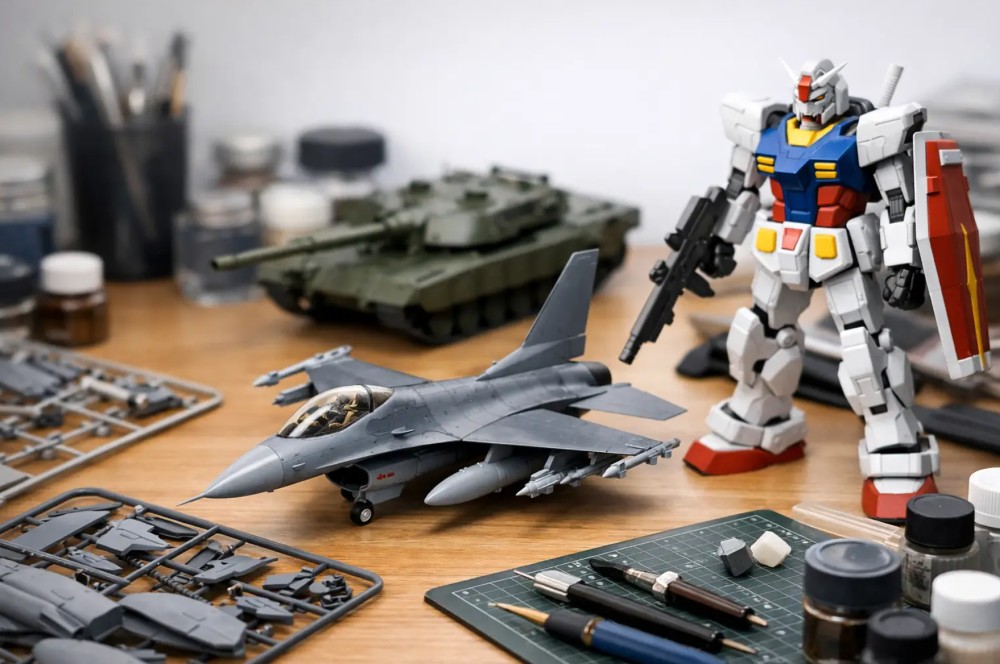
A new-tool kit can sell through fast, but the real pressure point is usually not the base kit. It is the full chain around it - decals, masks, resin, photoetch, wheels, weapons, and reference material. When new release model kits appear, experienced
Read more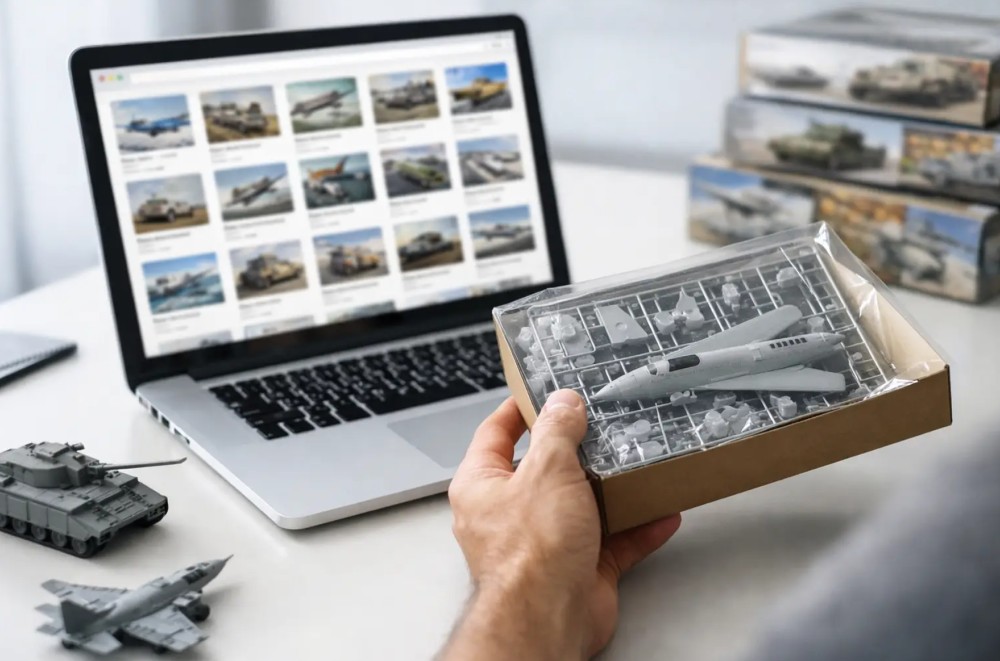
A kit goes out of production, a decal sheet sells through, and suddenly a simple build turns into three weeks of chasing parts across five shops. That is why in stock model kits matter. For serious builders, stock status is not a minor convenience.
Read more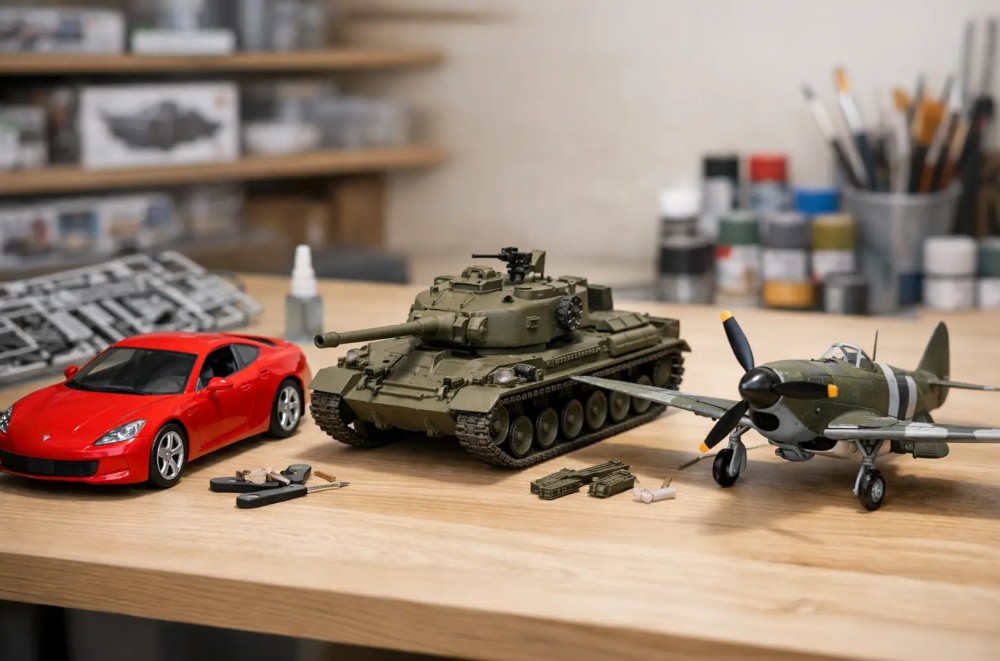
The first bad purchase most new modelers make is not a difficult kit. It is the wrong scale. If you are asking which scale model should beginners choose, the answer is usually not the biggest box, the cheapest kit, or the subject with the most parts.
Read more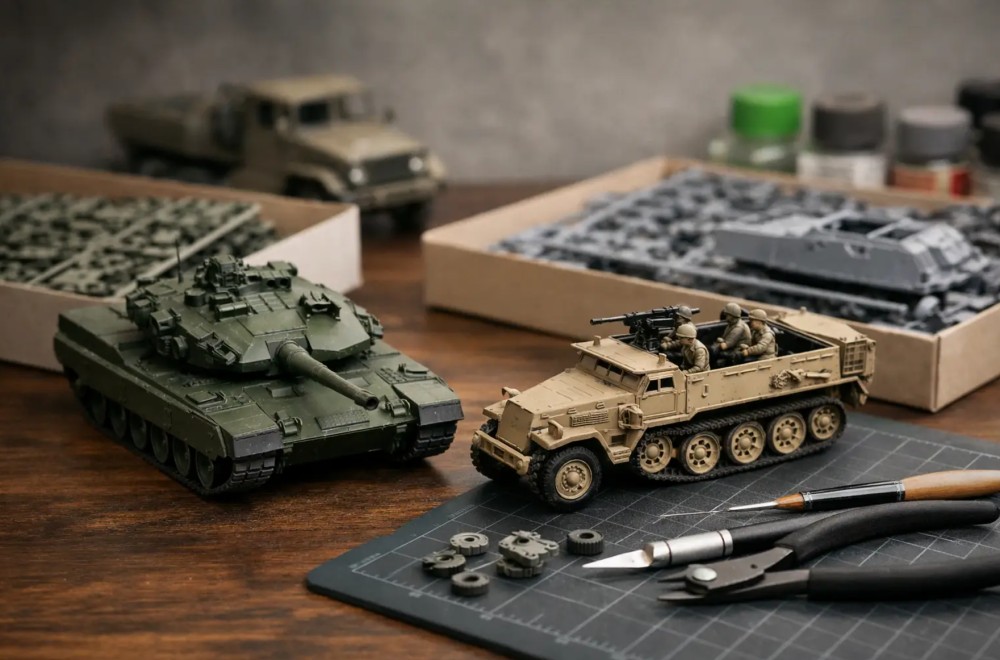
A late-war Panther with full interior, a compact 1/72 T-34 for a weekend build, or a modern MRAP loaded with photoetch - military vehicle model kits cover a wide range of subjects, scales, and building demands.
Read more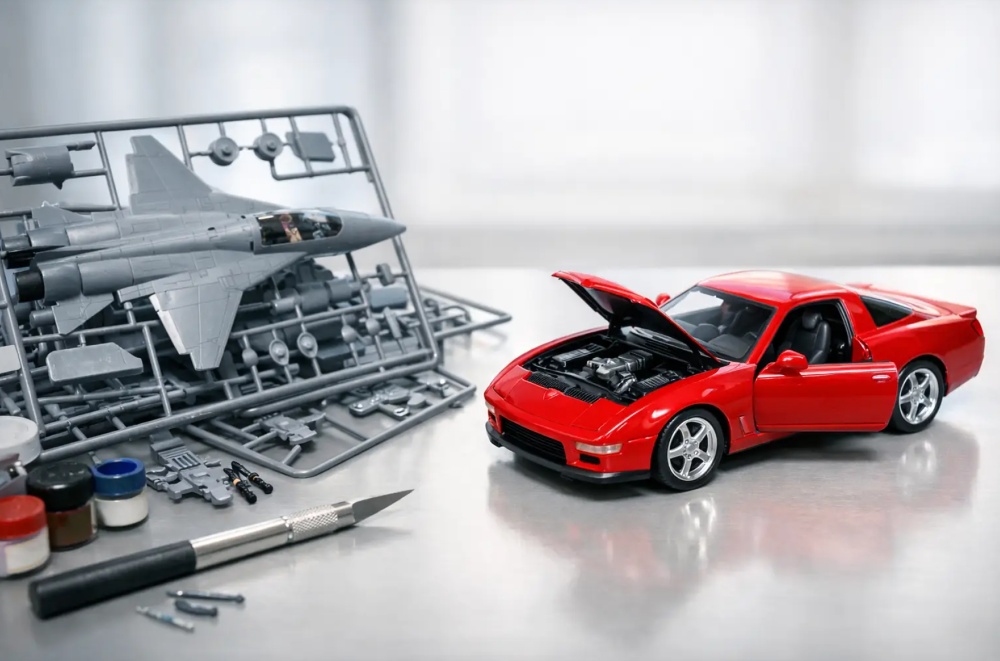
A finished diecast model looks good the moment it comes out of the box. A plastic kit usually looks rougher on day one, but it can become far more specific, accurate, and personal in the hands of a builder.
Read more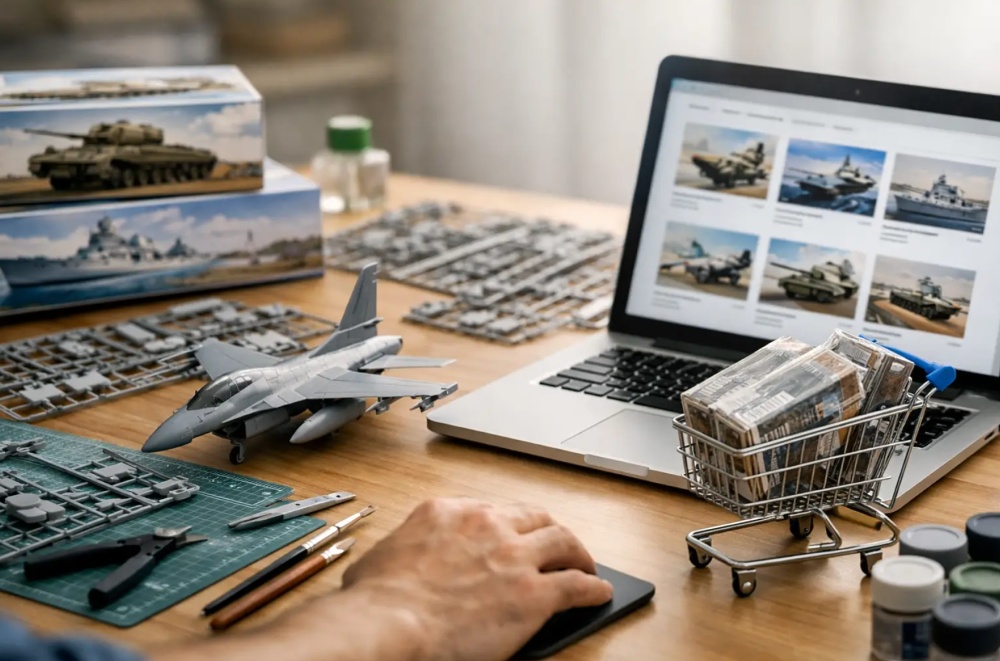
Price alone does not make a kit a good buy. When you shop for discount plastic model kits online, the real question is whether the lower price still gets you the right subject
Read more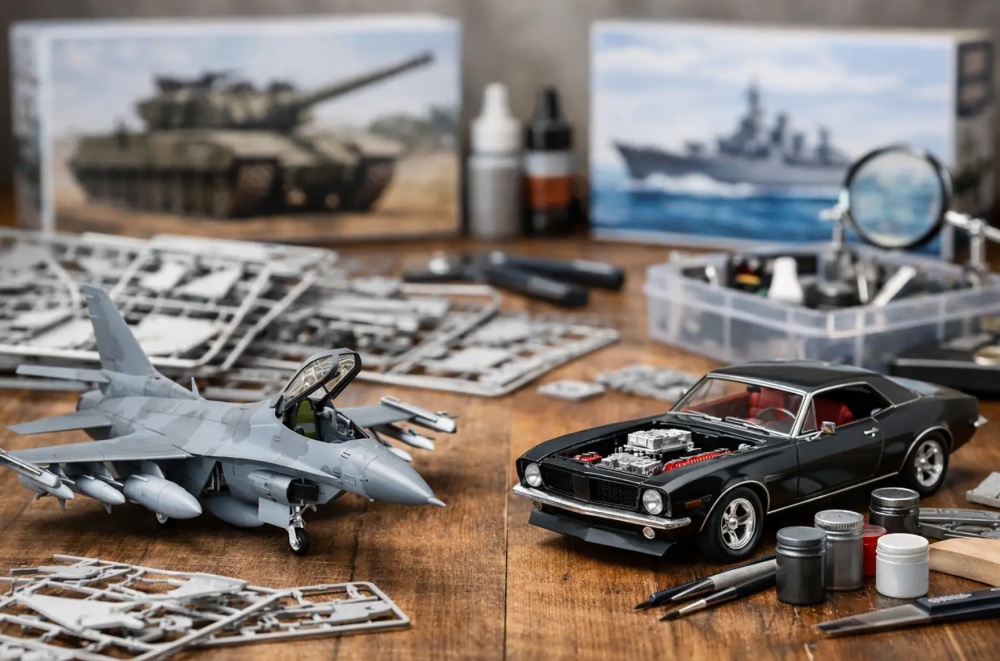
A cheap kit is not always a good buy. Most experienced builders have learned that after ordering a discounted box, then spending the next week chasing the correct decals, masks, resin, or photoetch from three different shops.
Read more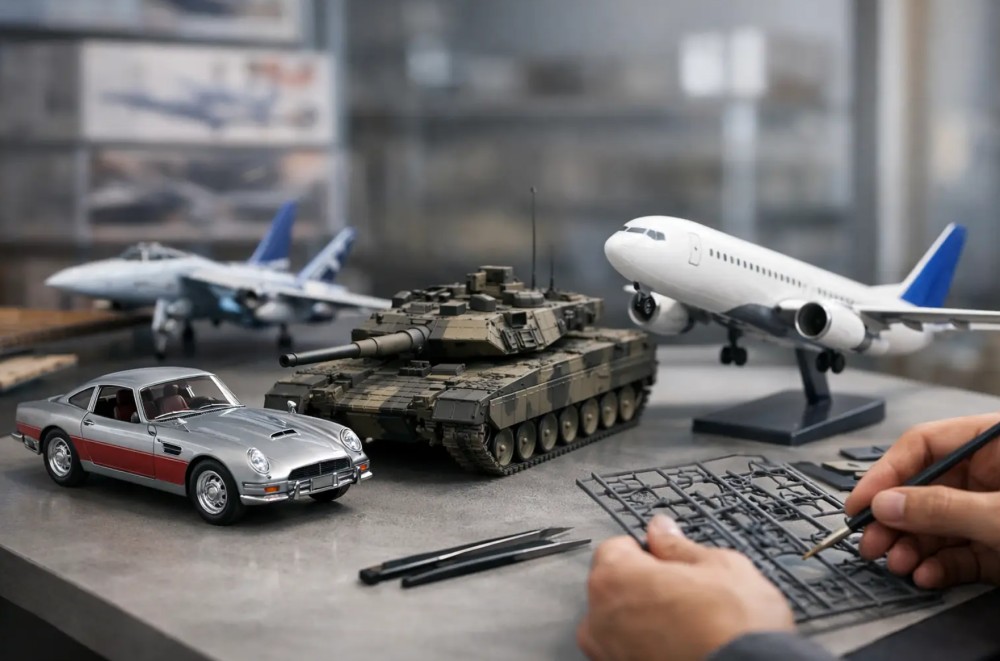
If you have ever missed a limited decal run that matched a new-tool kit perfectly, you already know why upcoming scale model releases matter.
Read more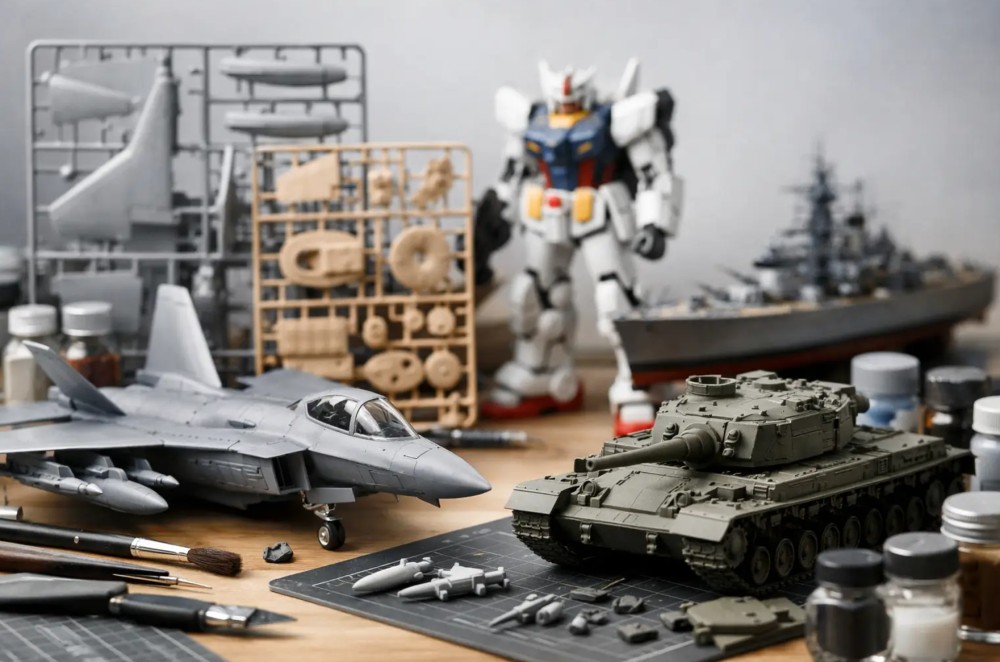
The latest plastic model kit releases rarely stay in stock for long when the subject, scale, and tooling all line up.
Read more
A kit can be perfectly buildable and still leave room for improvement. That is where the question comes in: what are aftermarket model accessories, and when are they actually worth buying?
Read more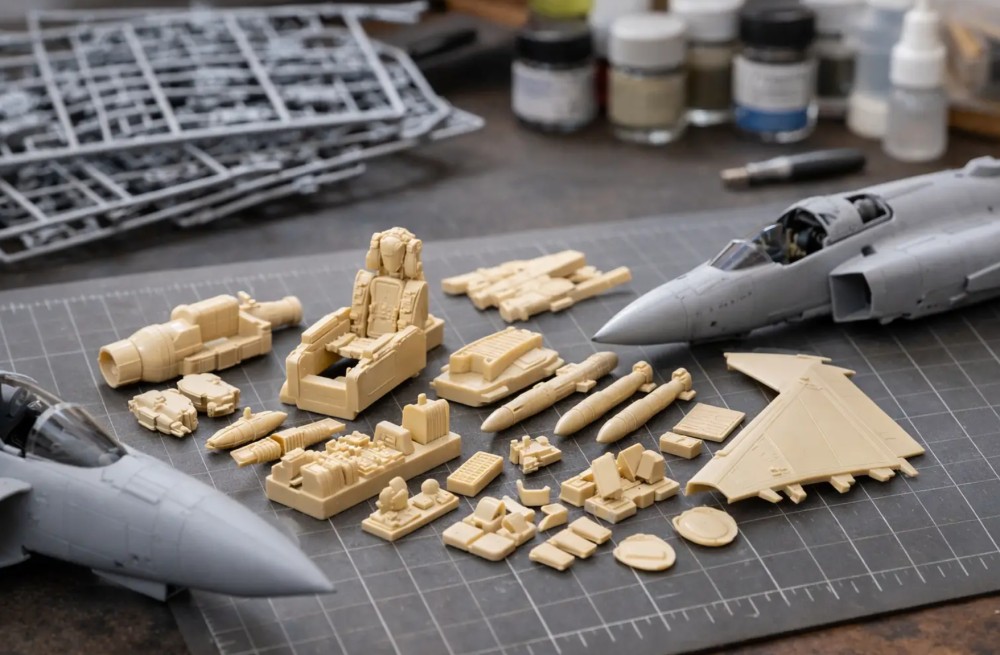
A standard kit can get you to the common production version. If you want the early nose, the export turret, the reconnaissance camera bay, or the field-modified engine deck, resin conversion sets for kits are often the only practical route.
Read more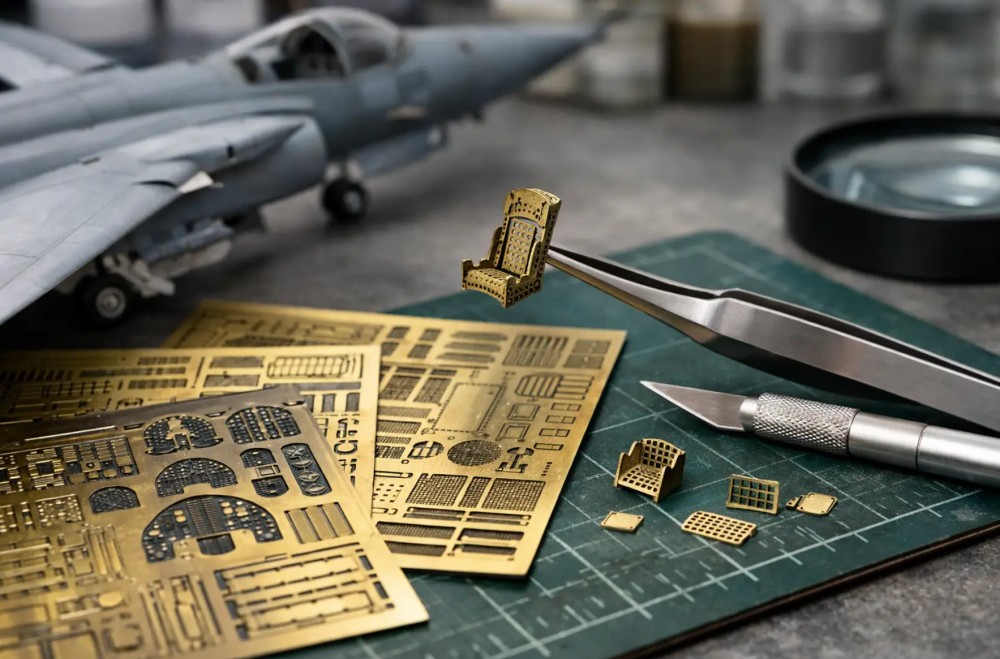
A kit can look complete straight from the box, then fall apart under close inspection at the railings, seat belts, grilles, screens, and brackets. That is usually where photo etched parts for models make the biggest difference.
Read more
A clear canopy can make an otherwise solid aircraft build look unfinished in seconds. Bleed under the frame line, lifted paint, or a mask that does not quite sit where it should will draw attention faster than most assembly mistakes.
Read more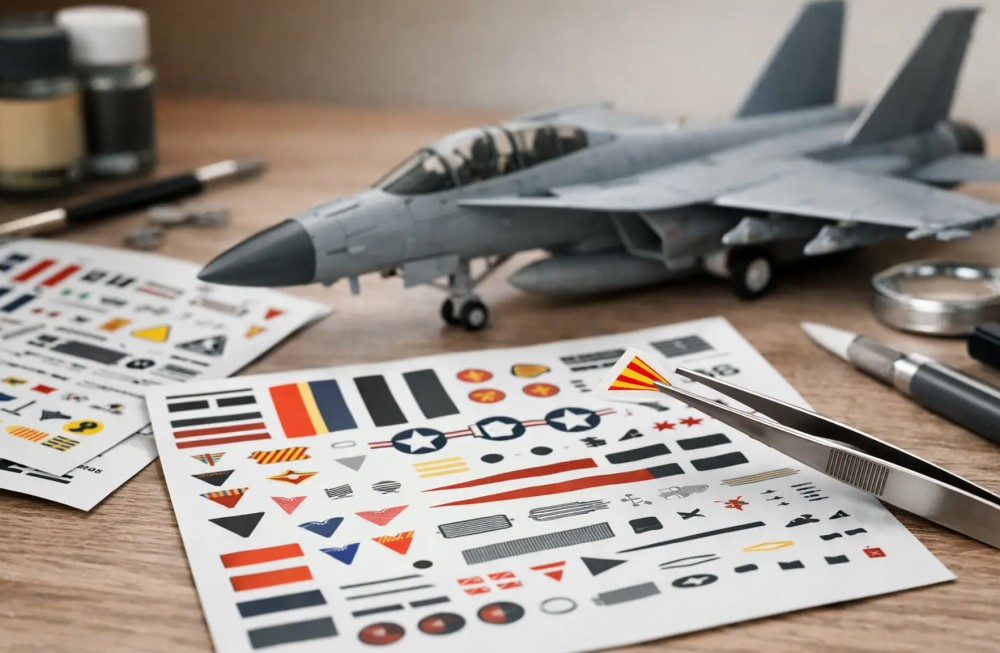
A decal sheet can save a build or waste a week. Most experienced builders have dealt with both outcomes - markings that settle perfectly into rivets, and markings that silver, crack, or turn out to be for the wrong variant entirely.
Read more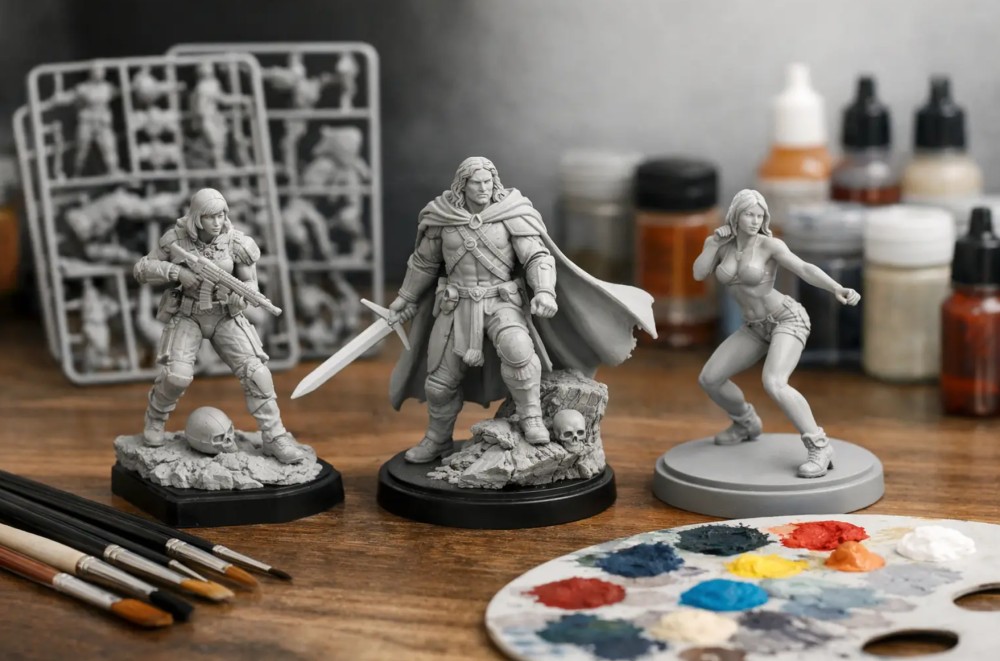
A figure kit can look excellent on the sprue and still be the wrong purchase for your bench.
Read more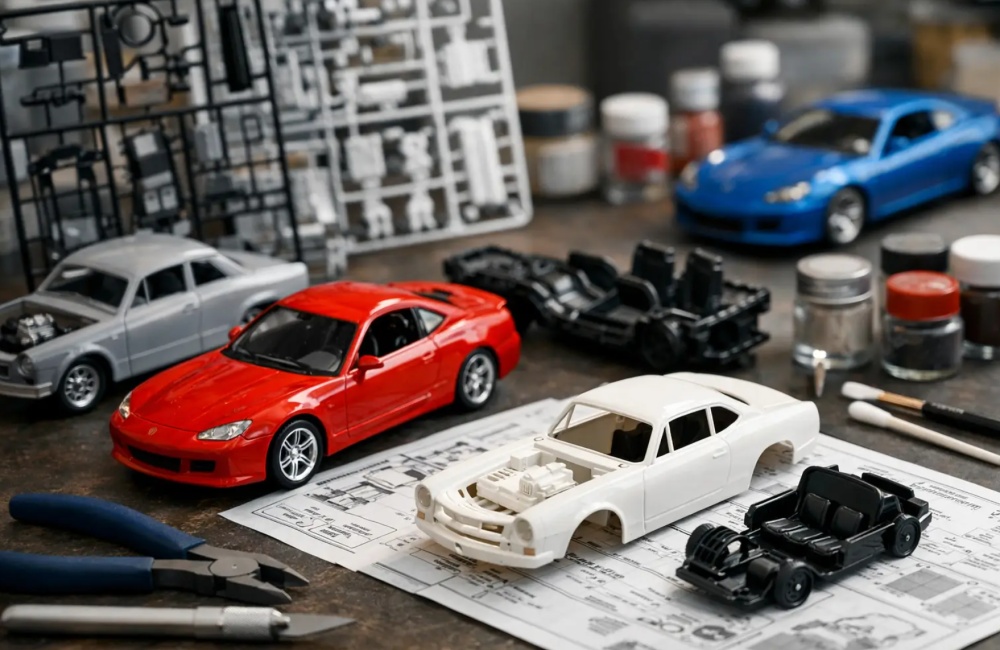
Some car kits look great on the box and turn into filler-heavy projects the moment you test-fit the body.
Read more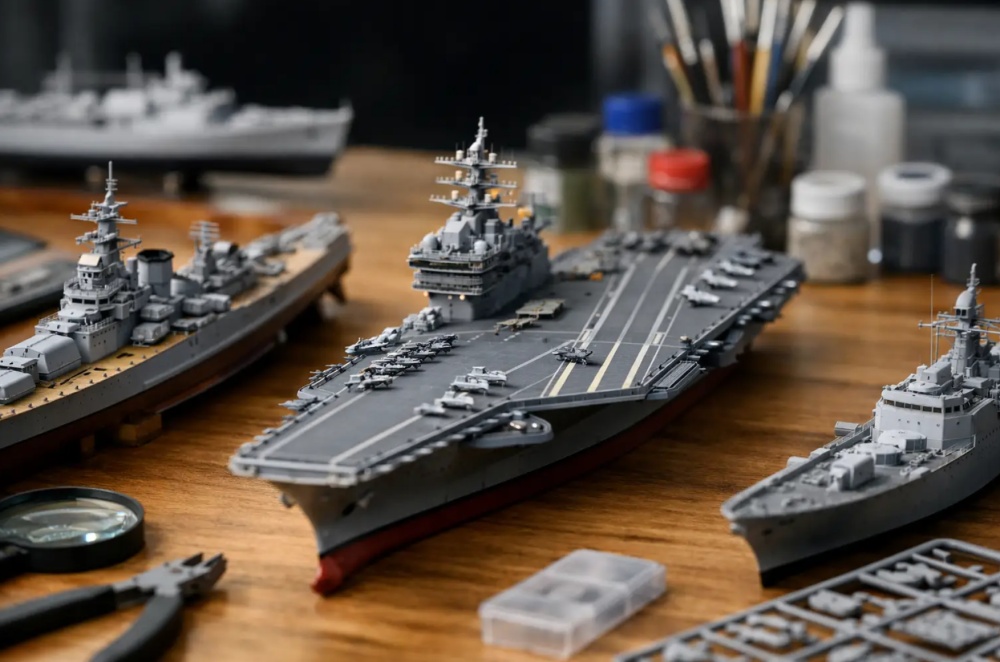
A 1/350 ship model kit can look manageable on the shelf and still turn into a very large project on the bench.
Read more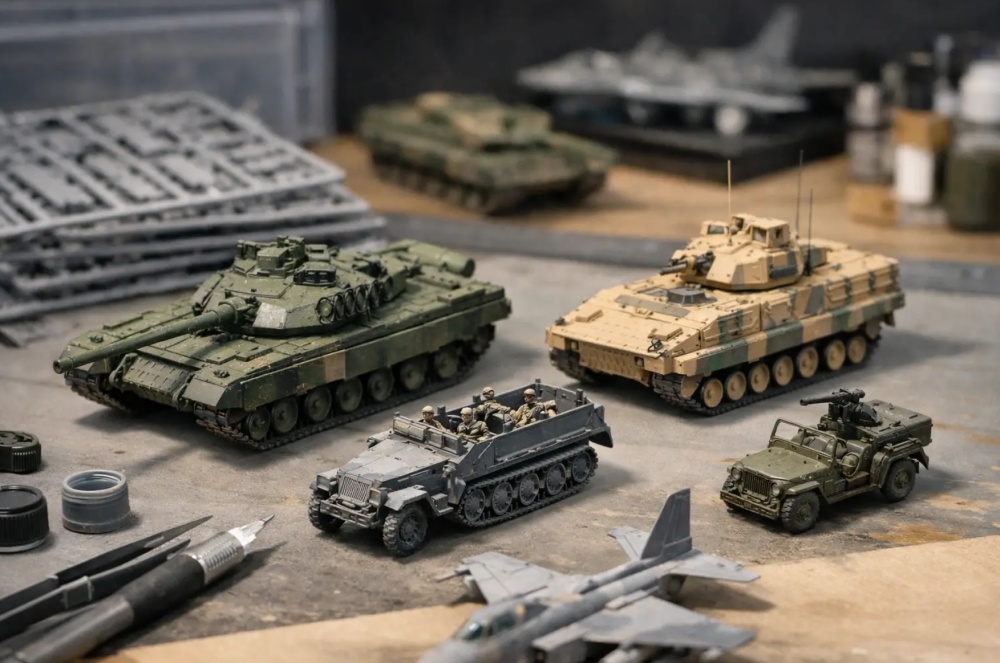
Shelf space runs out faster than enthusiasm.
Read more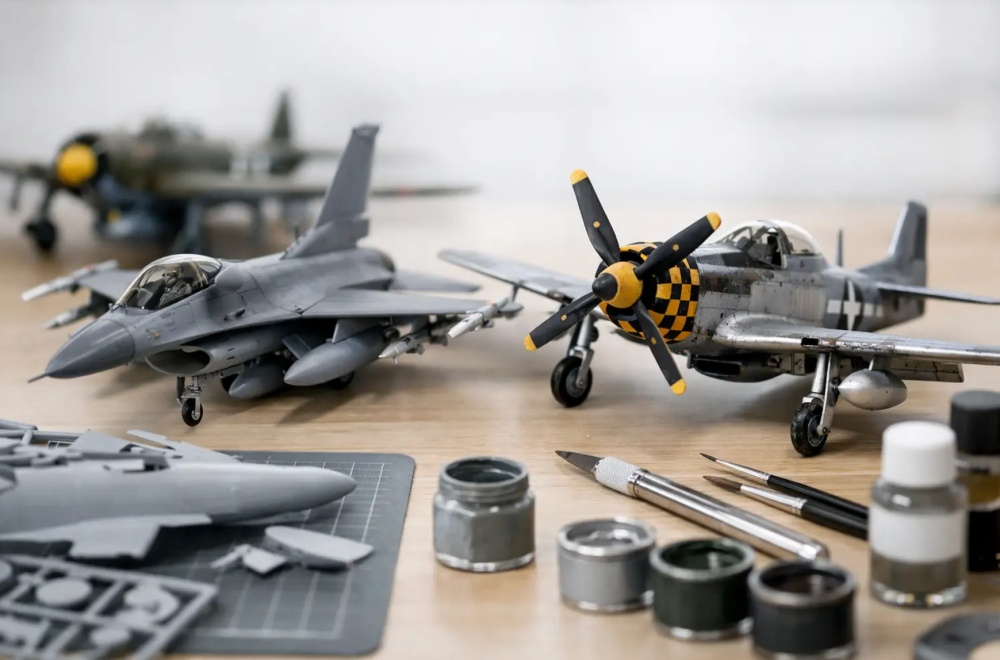
Some 1/48 kits fight you from the first dry fit.
Read more
We have been informed by Czech Post Office headquarters
Read more
